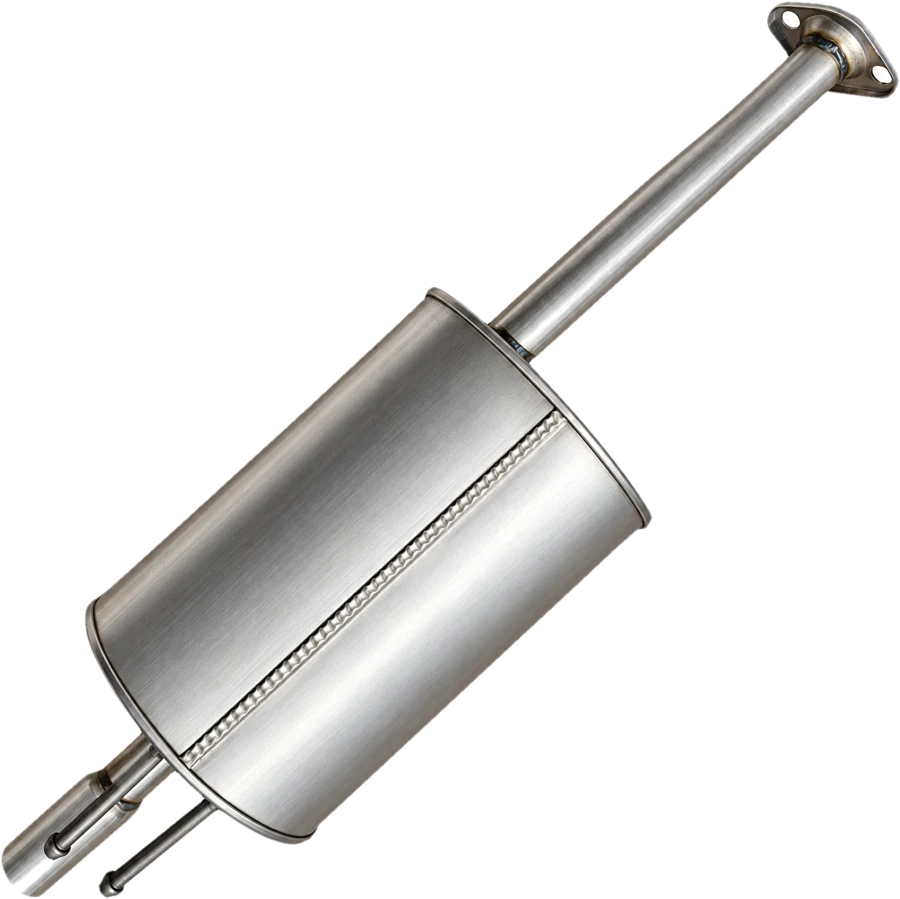
Exhaust Smell Inside the Car: Causes and What to Do Right Away
Reviewed 2026-11-03. Checked against the sources listed below. This is general information, not a substitute for a mechanic's inspection.
Quick answer
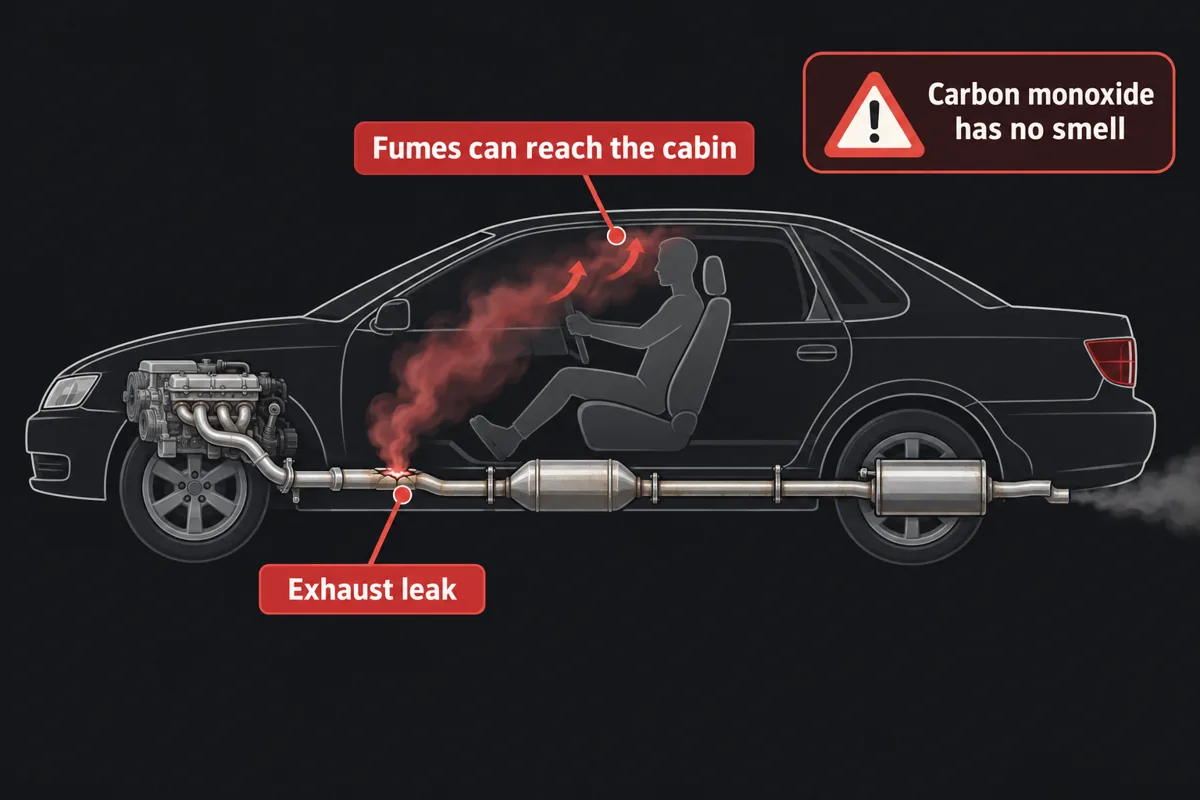
An exhaust smell inside the car means exhaust is getting in, and that makes it a safety problem, not just an annoyance. Open the windows, get out of traffic when it is safe, and have the car checked before you keep driving it. Carbon monoxide itself has no smell or color, so you cannot judge the danger by how strong the smell is.
Do this first
- Open all the windows and turn off the recirculate setting.
- Pull over when it is safe. If anyone has a headache, feels dizzy or sick, or is confused, turn off the car, get everyone into fresh air and call 911.
- Do not sit in the car with the engine idling, especially in a garage or with snow around the tailpipe.
- Get the leak found before you drive it again for anything but the trip to the shop, with the windows open.
CDC lists headache, dizziness, weakness, upset stomach, vomiting, chest pain and confusion as the most common symptoms of carbon monoxide poisoning.
Where the smell usually comes from
| Possible cause | Other clues | What to check |
|---|---|---|
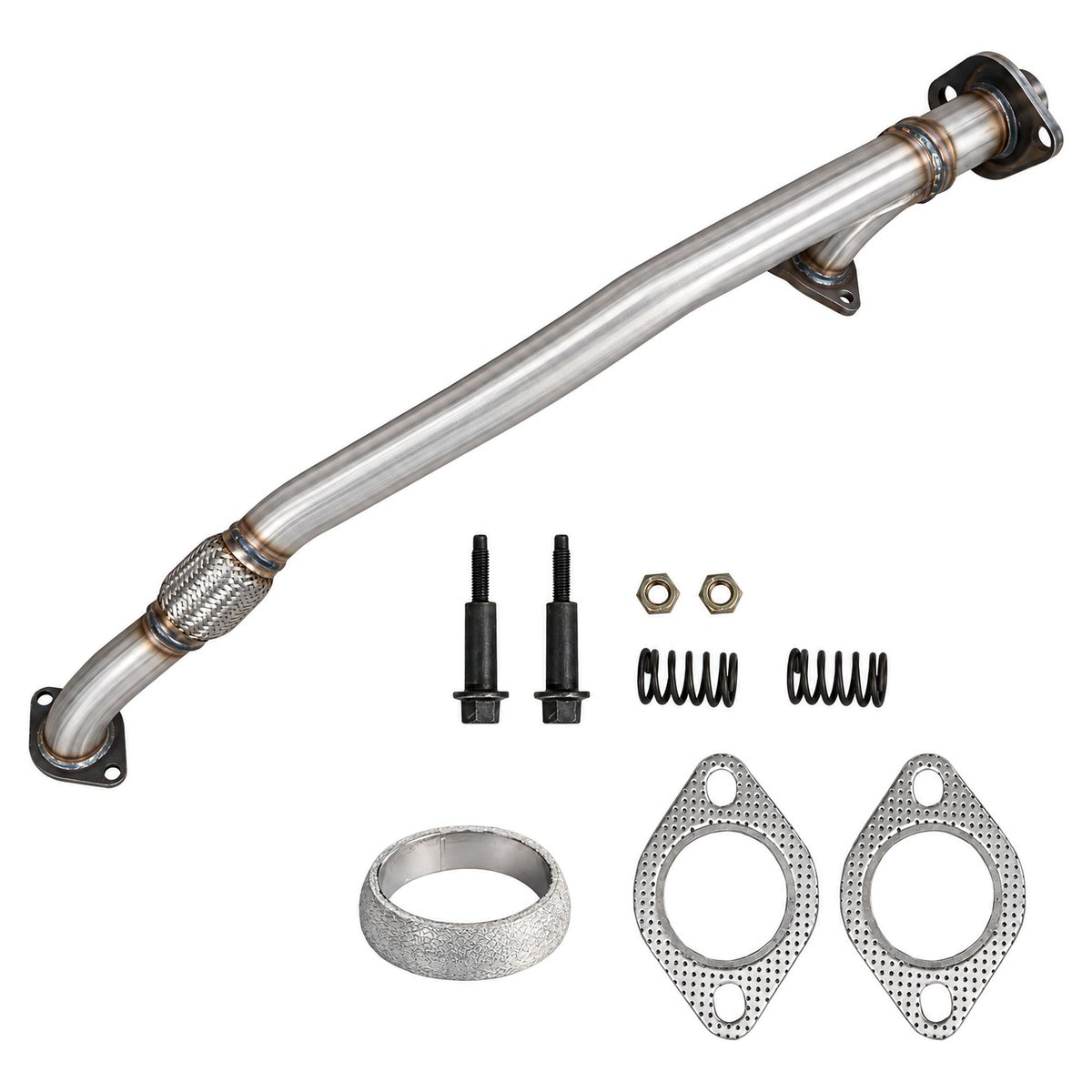
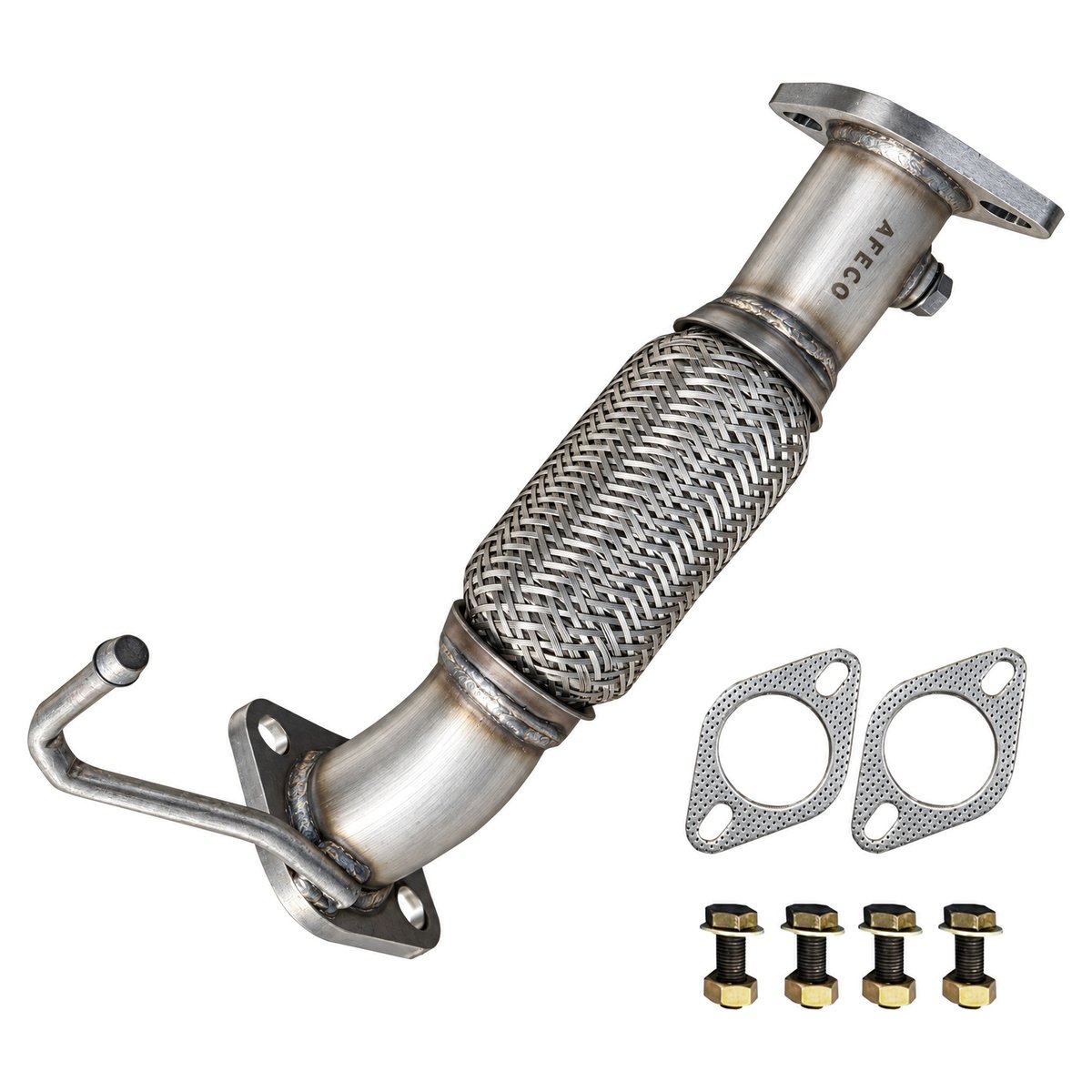
| Leak at the manifold or flex pipe | Ticking or rumble at the front, worse at a stop | Soot at joints and the braid |
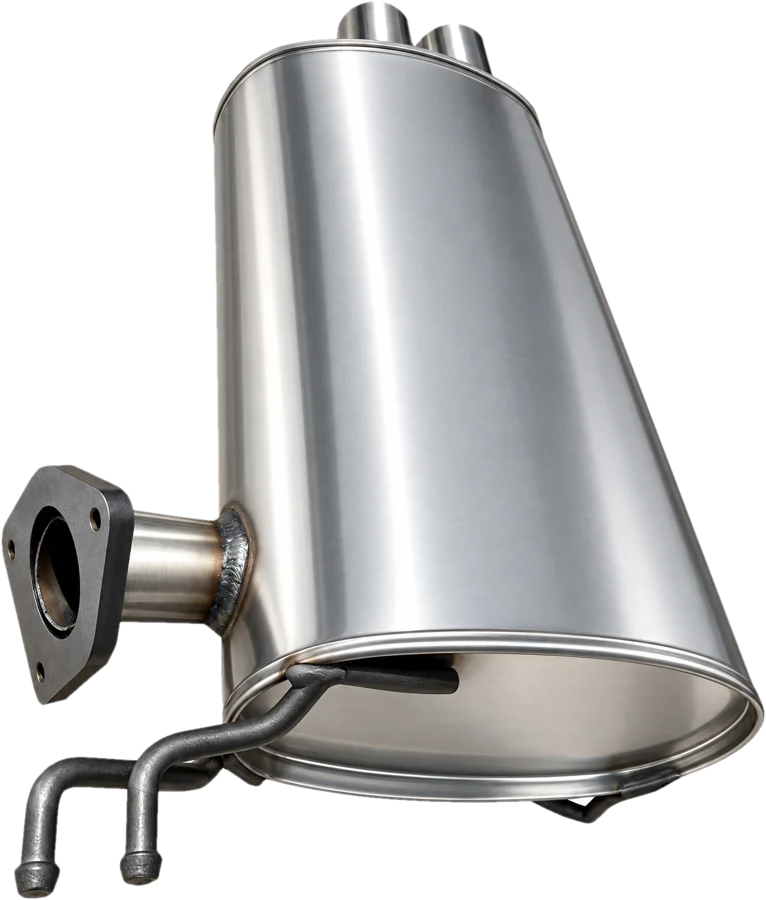
| Rusted pipe or muffler | Louder than normal | Holes, split seams |
| Blocked tailpipe | Snow, mud or a crushed pipe | Clear it before starting the engine |
| Gaps in the body | Smell mostly with the rear hatch or a window open | Hatch seals, rust holes in the floor |
| Exhaust pulled in from outside | Only in heavy traffic or behind one vehicle | Goes away on an open road |
What the smell can tell you
- Sharp exhaust smell: an exhaust leak is the first thing to check.
- Rotten eggs or sulfur: a different problem, usually involving the catalytic converter and fuel mixture. See our rotten egg smell guide.
- Raw fuel: have this checked right away, since it can point to a fuel leak or a very rich mixture.
- Sweet smell: often coolant, not exhaust.
After the repair
Drive with the windows closed on a short test trip and check whether the smell is gone. If it comes back, ask the shop to check the hatch seals and floor for gaps as well as the exhaust. A plug-in carbon monoxide detector is not a replacement for fixing the leak.
Related guides
- Exhaust leak and carbon monoxide safety
- Car suddenly louder than normal
- Bad flex pipe symptoms
- Bad muffler symptoms
Guides for your vehicle
- 2011-2019 Dodge Journey 3.6L V6 Flex Pipe
- Dodge Journey 3.6L Exhaust Leak: How to Find It and What to Check
- 2006-2011 Honda Civic 1.8L and Civic Hybrid 1.3L Muffler
- Honda Civic Loud Muffler: What to Check on 2006-2011 Cars
- Hyundai Elantra Exhaust Rattle: What to Check on 2011-2016 Cars
- Hyundai Elantra Flex Pipe
- 2007-2020 Mitsubishi Outlander 3.0L V6 Flex Pipe
- 2007-2013 Mitsubishi Outlander 3.0L V6 Muffler
- Mitsubishi Outlander 3.0L Loud Exhaust: Flex Pipe or Muffler?