Car Suddenly Louder Than Normal? How to Find the Exhaust Problem
Reviewed 2026-11-03. Checked against the sources listed below. This is general information, not a substitute for a mechanic's inspection.
Quick answer
A car that is suddenly much louder usually has an exhaust leak: a rust hole, a split seam, a failed flex pipe or a joint that has come apart. Where the noise comes from tells you which part to check first. If you can also smell exhaust inside the car, treat it as urgent.
Start with where the noise is
| Loudest at | What it often is | What to look for |
|---|---|---|
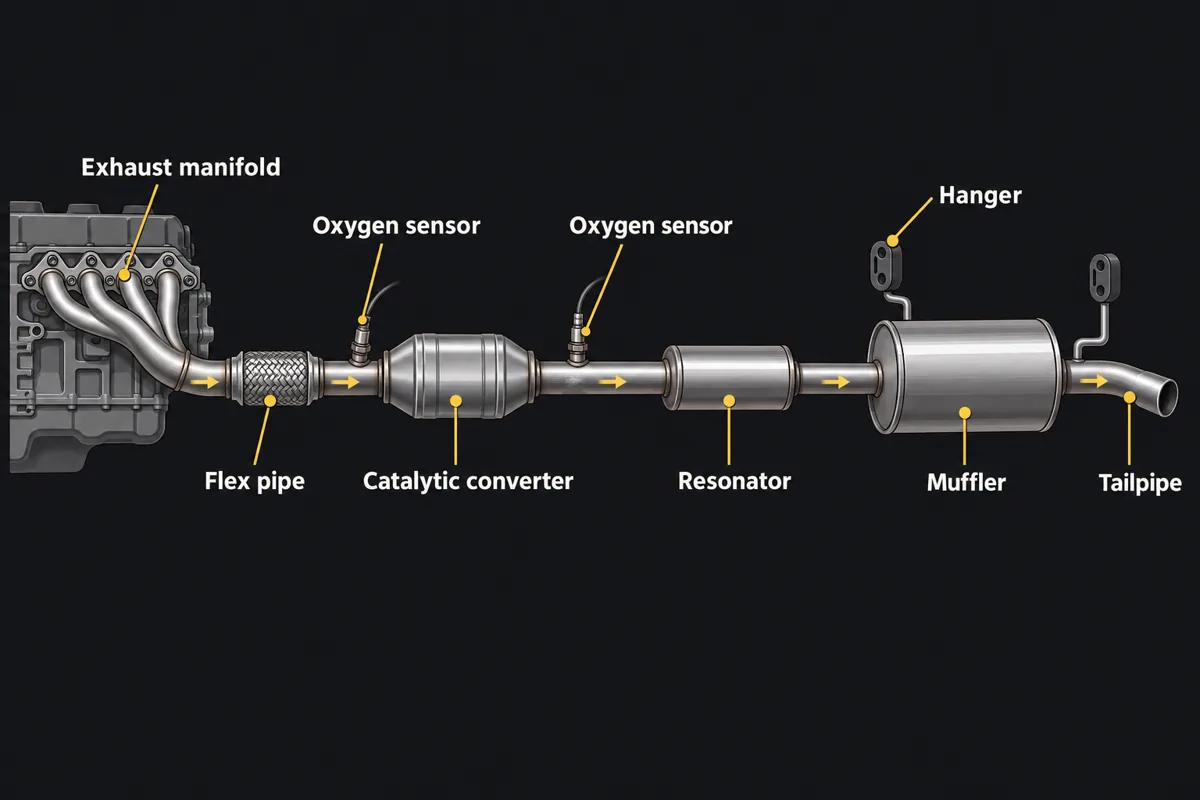
| Under the hood, ticking when cold | Manifold or gasket leak | Burned paint, soot near the engine |
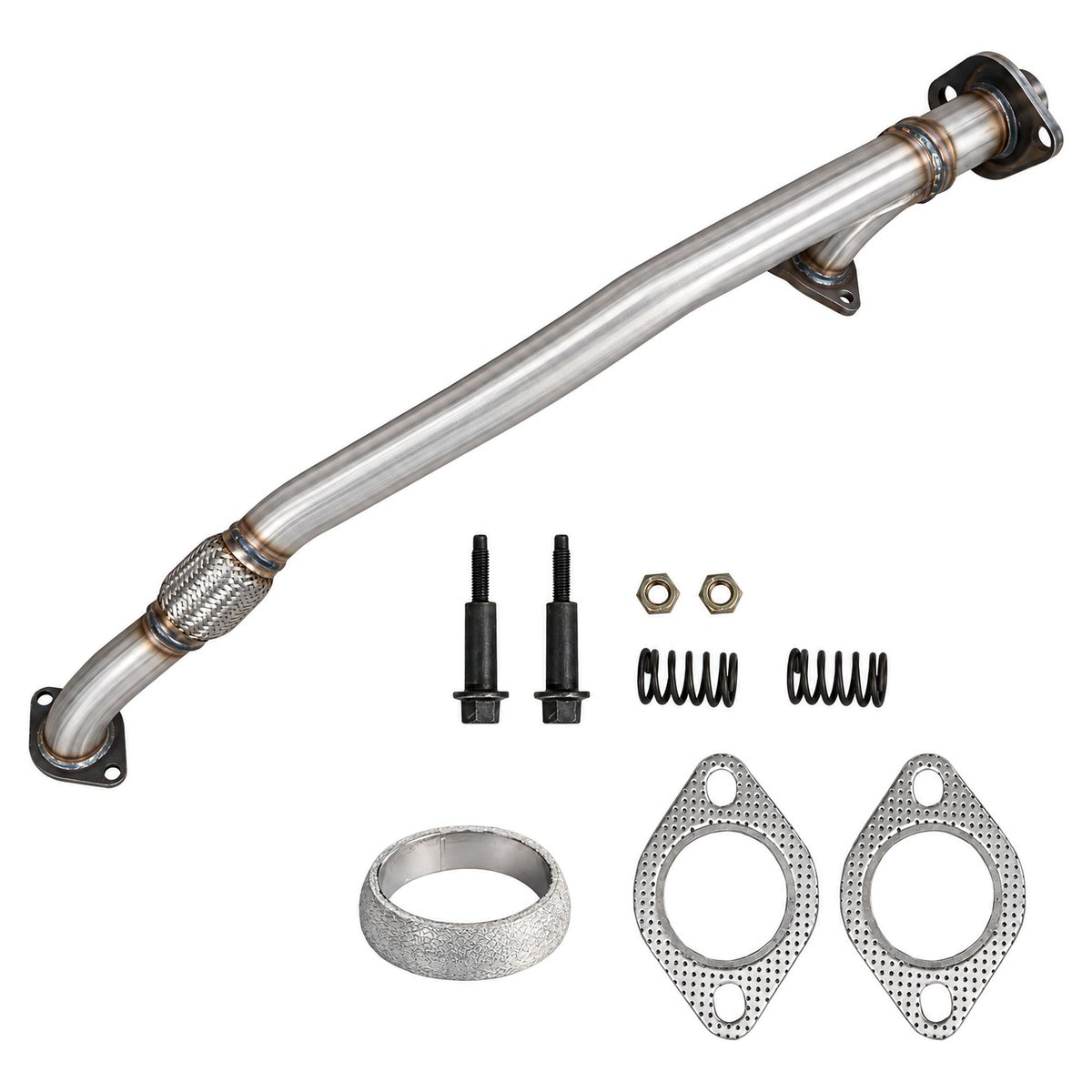
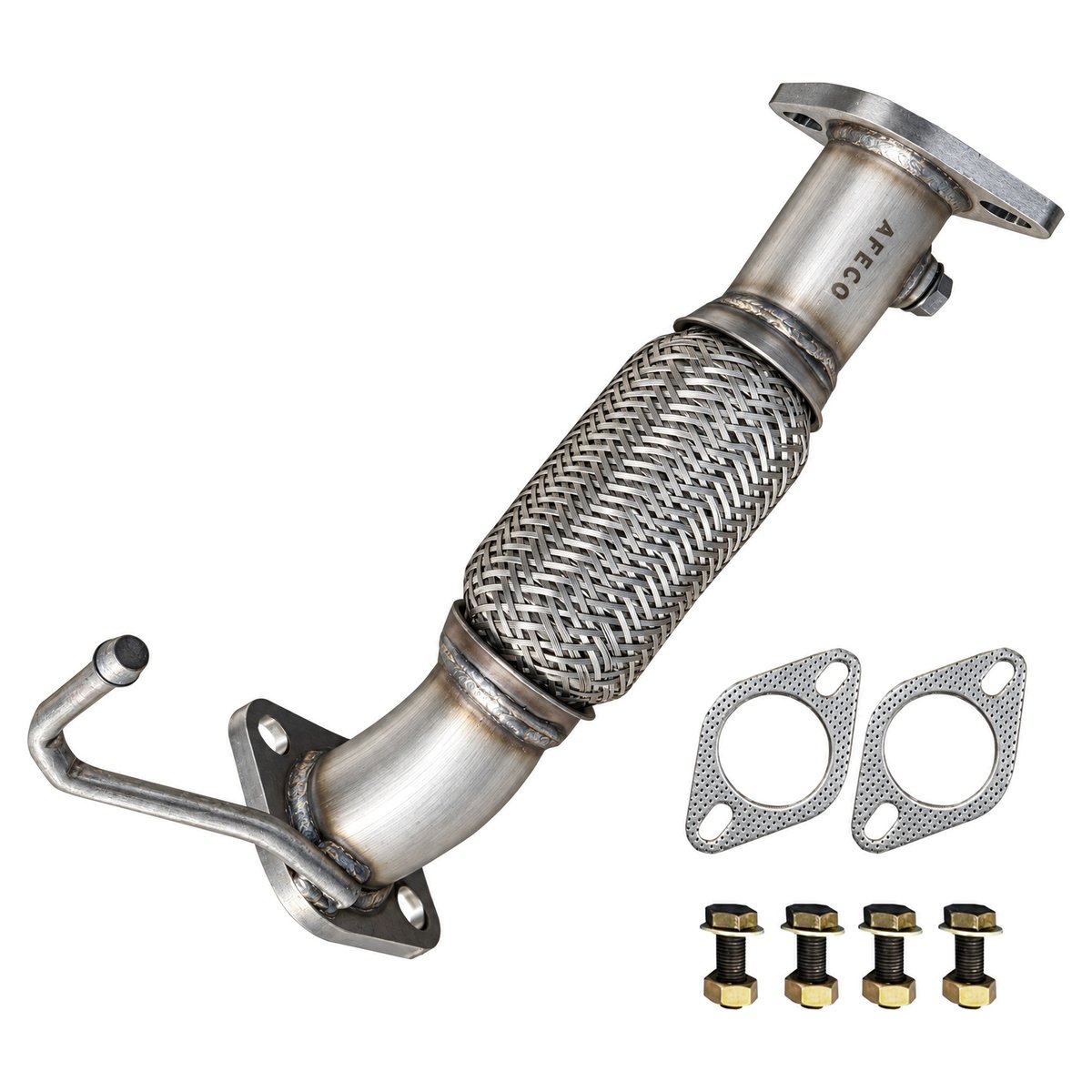
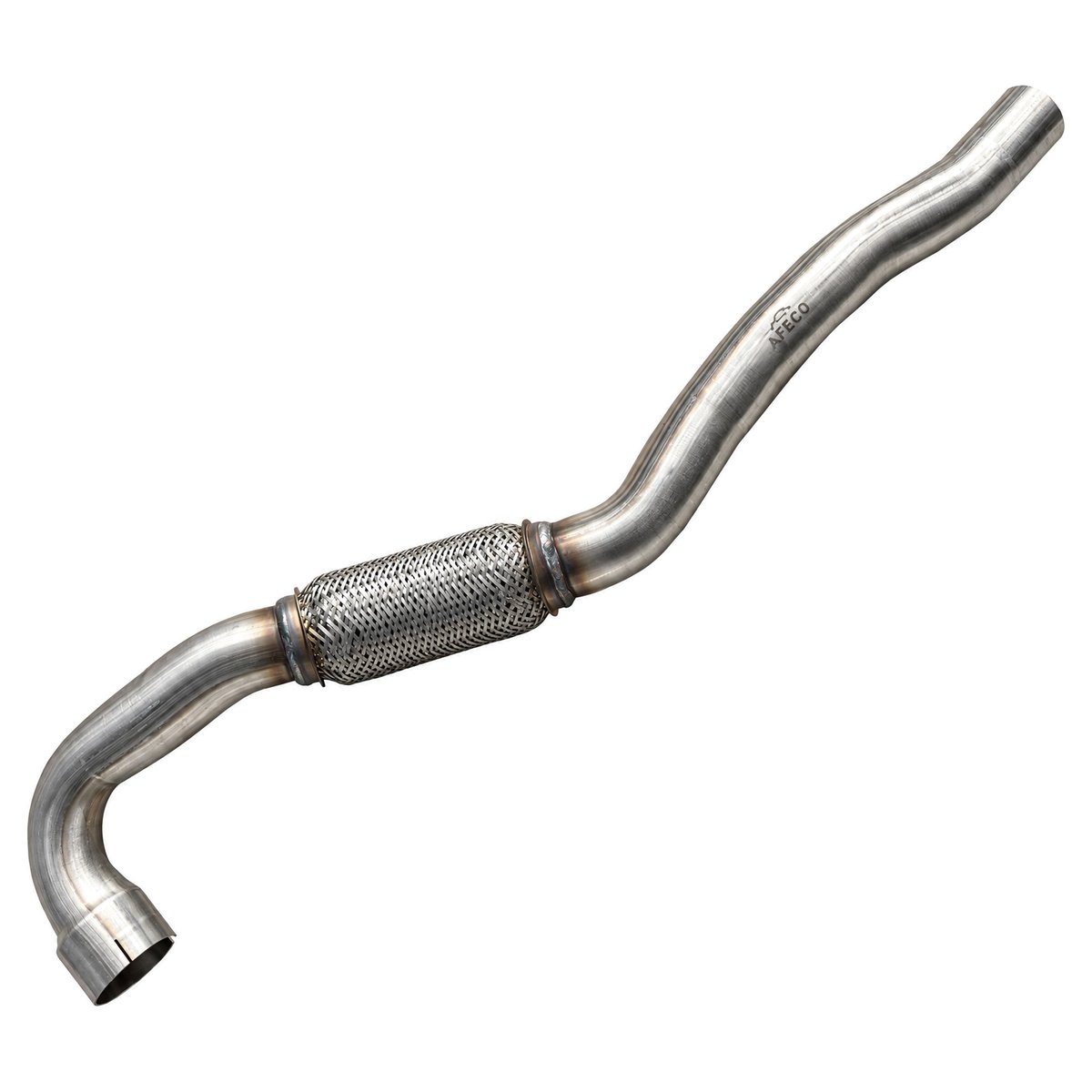
| Under the front floor, rumble on acceleration | Flex pipe | Frayed braid, black soot |
| Under the middle of the car | Pipe joint or a rusted pipe | Soot, rust, a pipe that gives when squeezed |
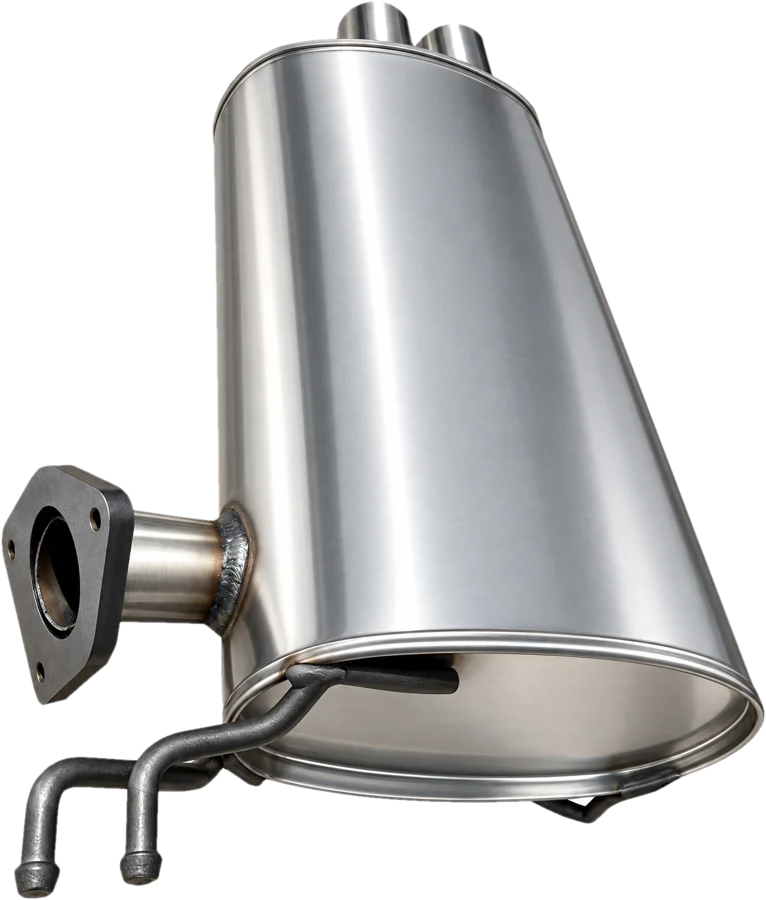
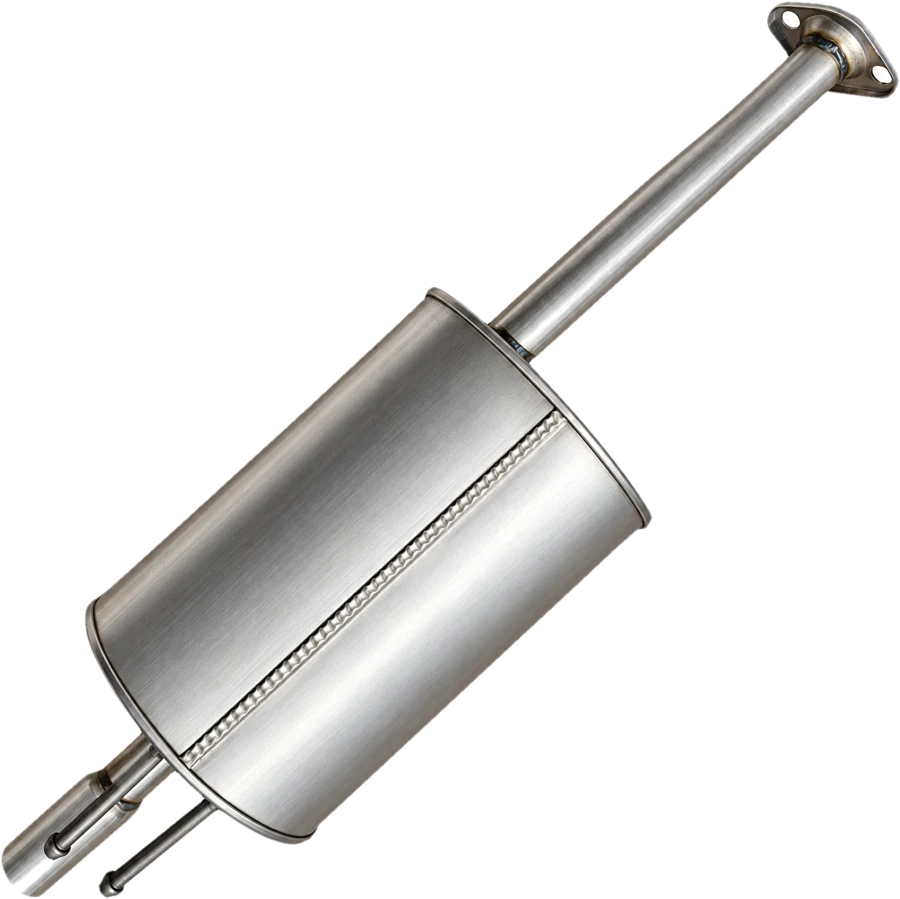
| At the back | Muffler or tailpipe | Rust holes, split seams, a hanging pipe |
Did something just happen?
- Hit a pothole, curb or road debris? Look for a crushed pipe, a loose joint or a broken hanger.
- Heard a clunk, then the noise? A hanger or joint may have let go, and the pipe may be hanging low.
- Louder after cold or wet weather? Rust can finally break through after working on a muffler or pipe for years.
- Recent exhaust work? Check the joints that were touched. A gasket may not have seated.
Check it safely
- Park on flat ground with the parking brake on. Let the exhaust cool.
- Look under the car from the front to the back for soot, holes and low-hanging parts. If you need to go under, use proper stands, never a jack alone.
- Start the engine outdoors, never in a closed garage, and listen for the spot where the noise is loudest.
- Keep your hands away from hot metal and the tailpipe.
Can you keep driving?
A hole near the back is often mostly a noise problem at first, but do not leave it. Stop driving and get it fixed if:
- You smell exhaust inside the car
- Anyone feels a headache, dizziness or nausea
- A pipe is hanging or dragging
- The check engine light is flashing
Carbon monoxide has no color or smell, so a lack of smell does not prove the cabin is safe. CDC lists headache, dizziness, weakness, upset stomach, vomiting, chest pain and confusion as the most common symptoms.
Related guides
- Bad muffler symptoms
- Bad flex pipe symptoms
- Exhaust smell inside the car
- Exhaust ticking noise when cold
Related AFECO parts
Direct-fit flex pipes and mufflers for the vehicles listed on each page.
Guides for your vehicle
- 2011-2019 Dodge Journey 3.6L V6 Flex Pipe
- Dodge Journey 3.6L Exhaust Leak: How to Find It and What to Check
- 2006-2011 Honda Civic 1.8L and Civic Hybrid 1.3L Muffler
- Honda Civic Loud Muffler: What to Check on 2006-2011 Cars
- Hyundai Elantra Exhaust Rattle: What to Check on 2011-2016 Cars
- Hyundai Elantra Flex Pipe
- 2007-2020 Mitsubishi Outlander 3.0L V6 Flex Pipe
- 2007-2013 Mitsubishi Outlander 3.0L V6 Muffler
- Mitsubishi Outlander 3.0L Loud Exhaust: Flex Pipe or Muffler?