Rotten Egg Smell From the Exhaust: What It Means and What to Check
Reviewed 2026-10-03. Checked against the sources listed below. This is general information, not a substitute for a mechanic's inspection.
Quick answer
A rotten egg smell from the tailpipe is usually hydrogen sulfide, which comes from the small amount of sulfur in fuel. A working catalytic converter turns it into sulfur dioxide, which does not have the rotten egg smell. When you can smell it, the most likely reason is that the converter is not doing that job, often because the engine is sending it too much fuel. A leaking battery or leaking transmission fluid can also smell like sulfur, so check where the smell is strongest.
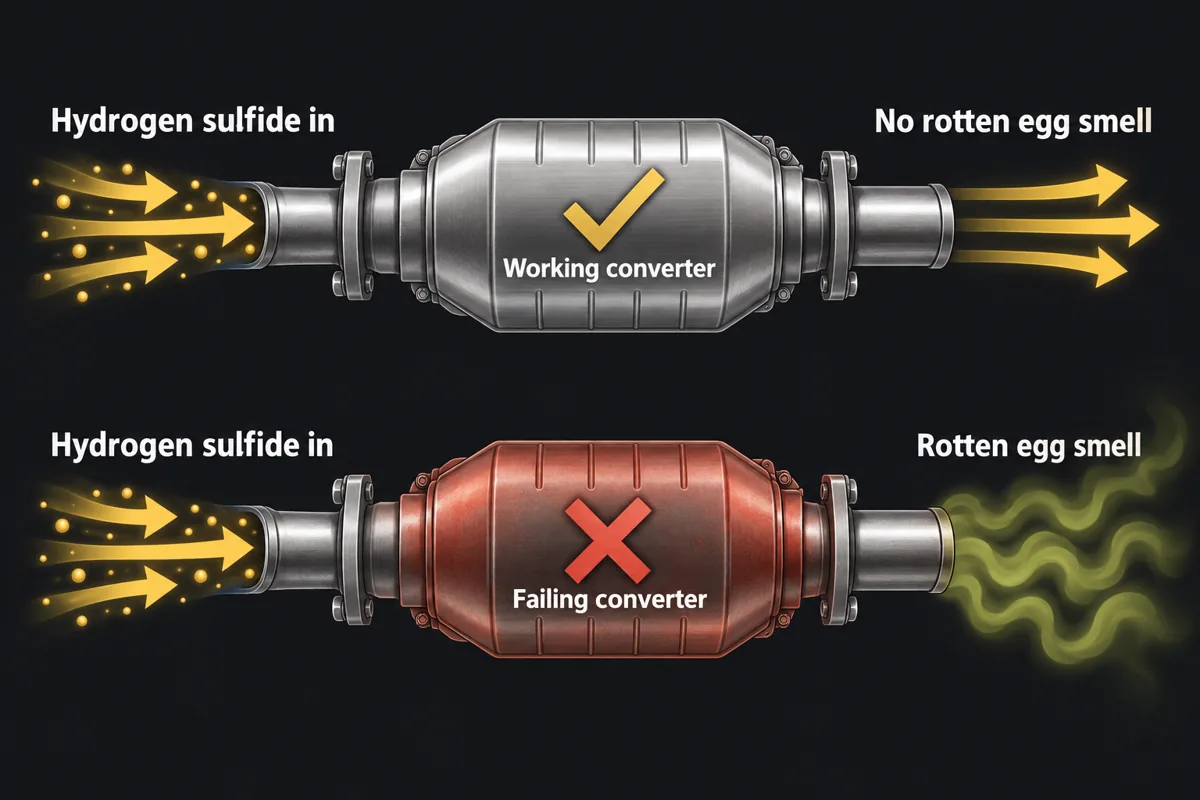
Where is the smell coming from?
| Where you notice it | Most likely source |
|---|---|
| At the tailpipe, worse when accelerating | Catalytic converter not converting, often from a rich fuel mixture |
| Under the hood, near the battery | A leaking battery (it contains sulfuric acid) |
| Under the car, near the transmission | Leaking transmission fluid |
| Only after one fill-up, then gone | A bad tank of fuel (less common) |
Why the converter stops converting
A converter that smells is usually a symptom, not the root problem. Walker Exhaust lists the usual causes of converter damage:
- Rich running: anything that sends extra fuel or raw gas into the converter makes it overheat. Misfires, worn or sluggish oxygen sensors and fuel injector problems are common causes.
- Contamination: oil burning, an internal coolant leak (such as a head gasket) or the wrong fuel coats the catalyst so it cannot work.
- Age and physical damage: road debris, corrosion and long service life.
If the engine problem is not fixed, a new converter can be damaged the same way. That is why the first step is a scan for other codes, not a new converter.
What to do
- Open the windows. Hydrogen sulfide is not something you want to breathe, and a converter that is overheating can be a fire risk.
- Check the battery if the smell is strongest under the hood. A swollen or wet battery needs attention right away.
- Scan for codes. Misfire codes (P0300 to P0308), fuel trim codes (P0171, P0174) and oxygen sensor codes point to the root cause. P0420 or P0430 point to the converter itself.
- Fix the cause first, then replace the converter if it is confirmed bad.
- Look for heat signs: a burning smell, heat shields that look discoloured, or a converter that glows means stop driving and get it inspected.
When the converter is the problem
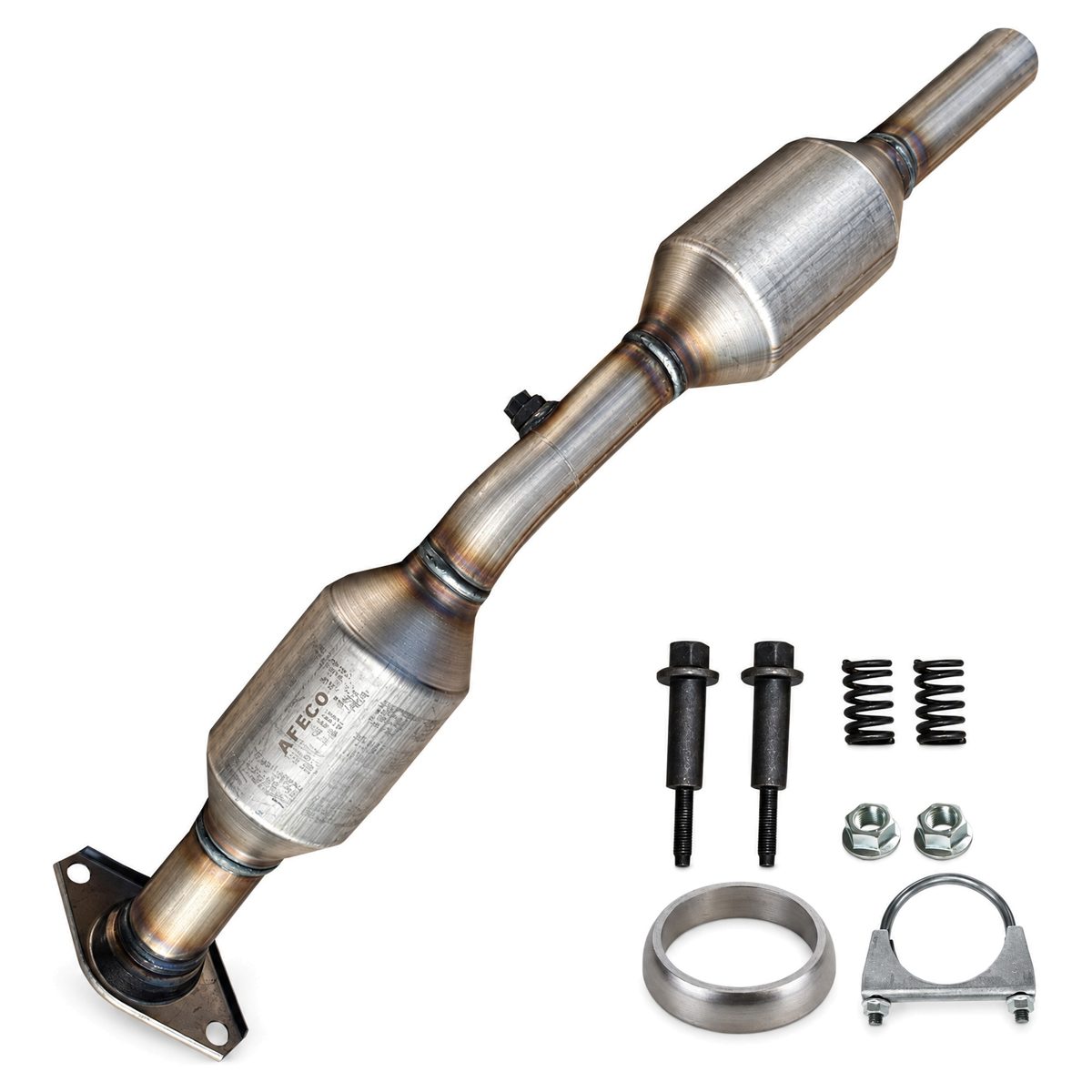
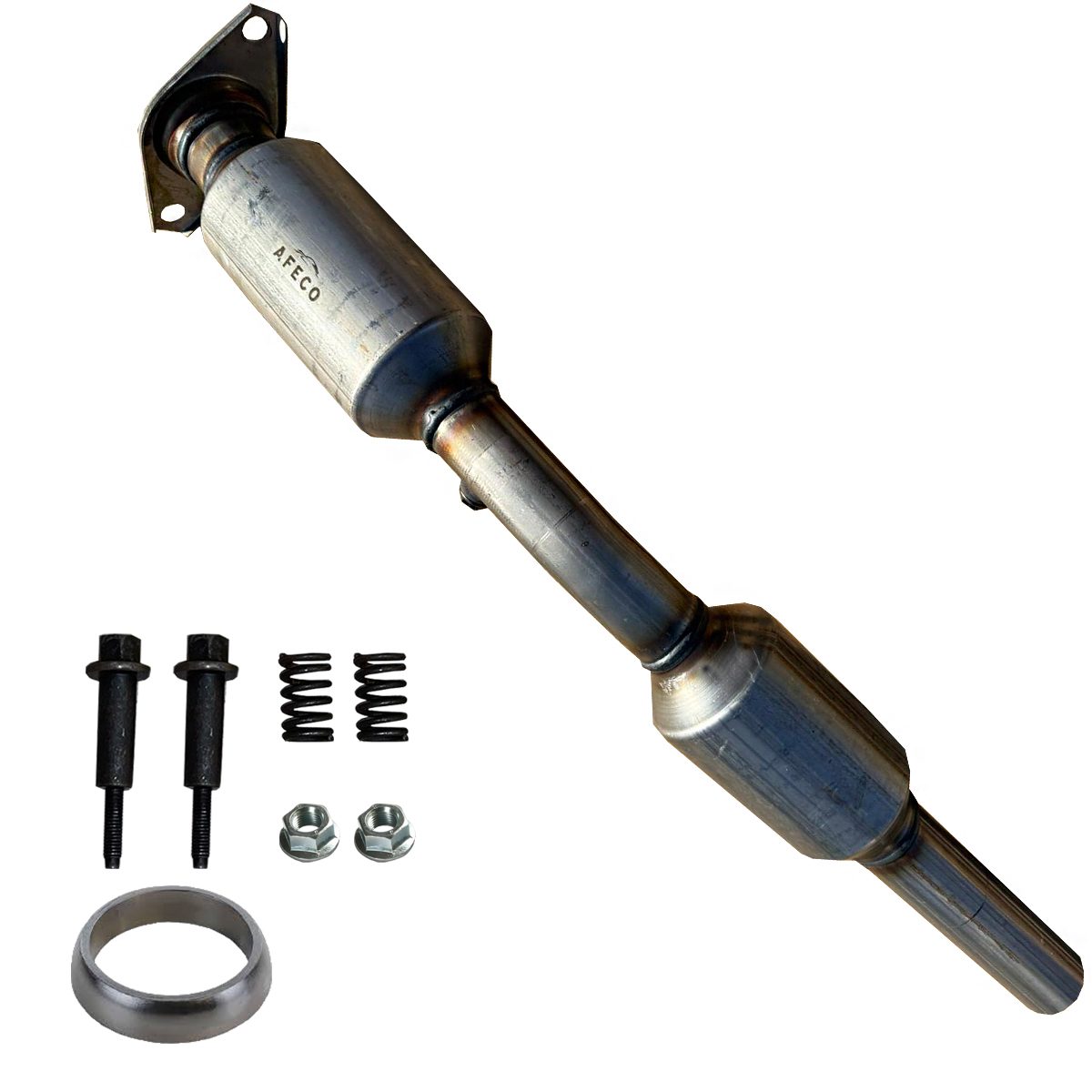
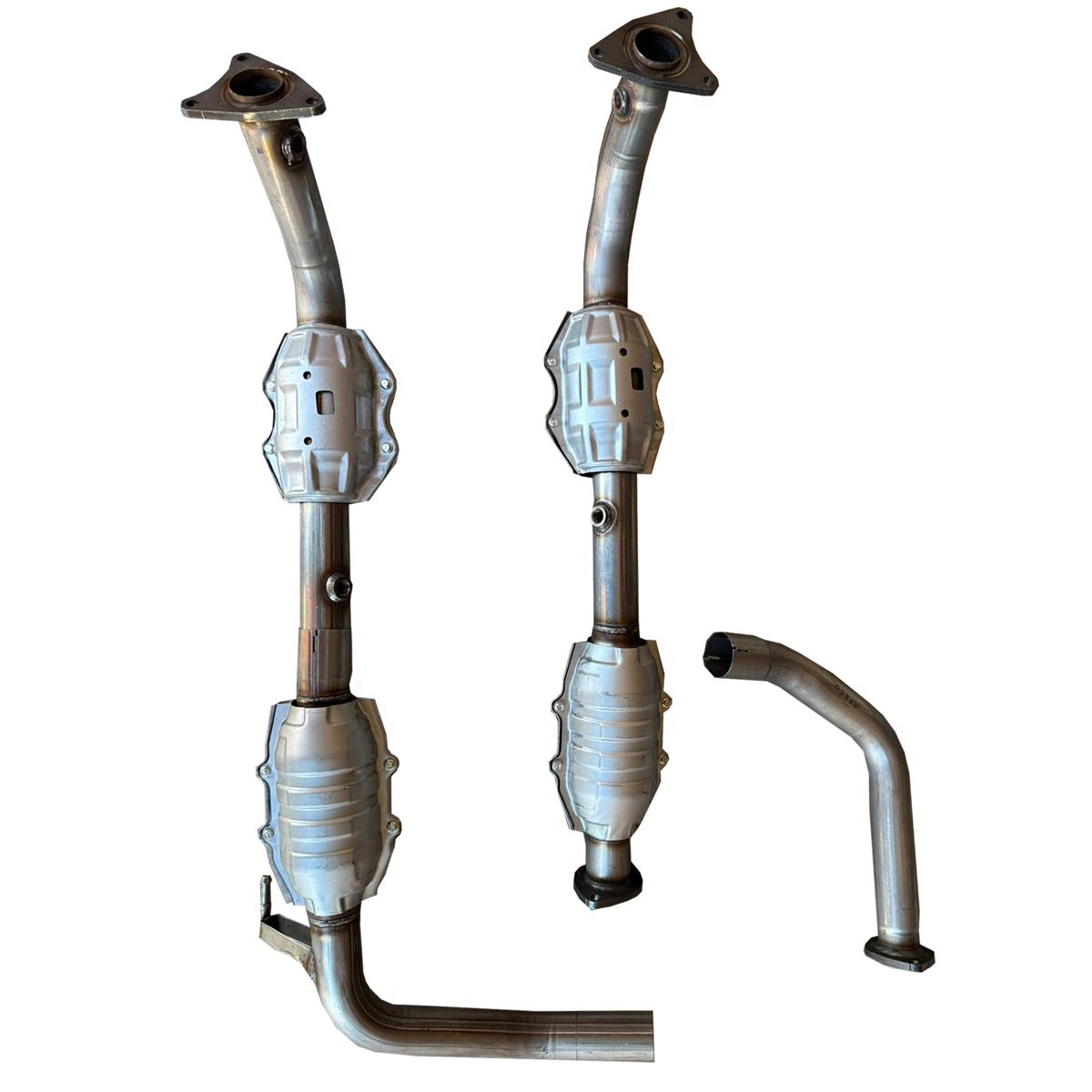
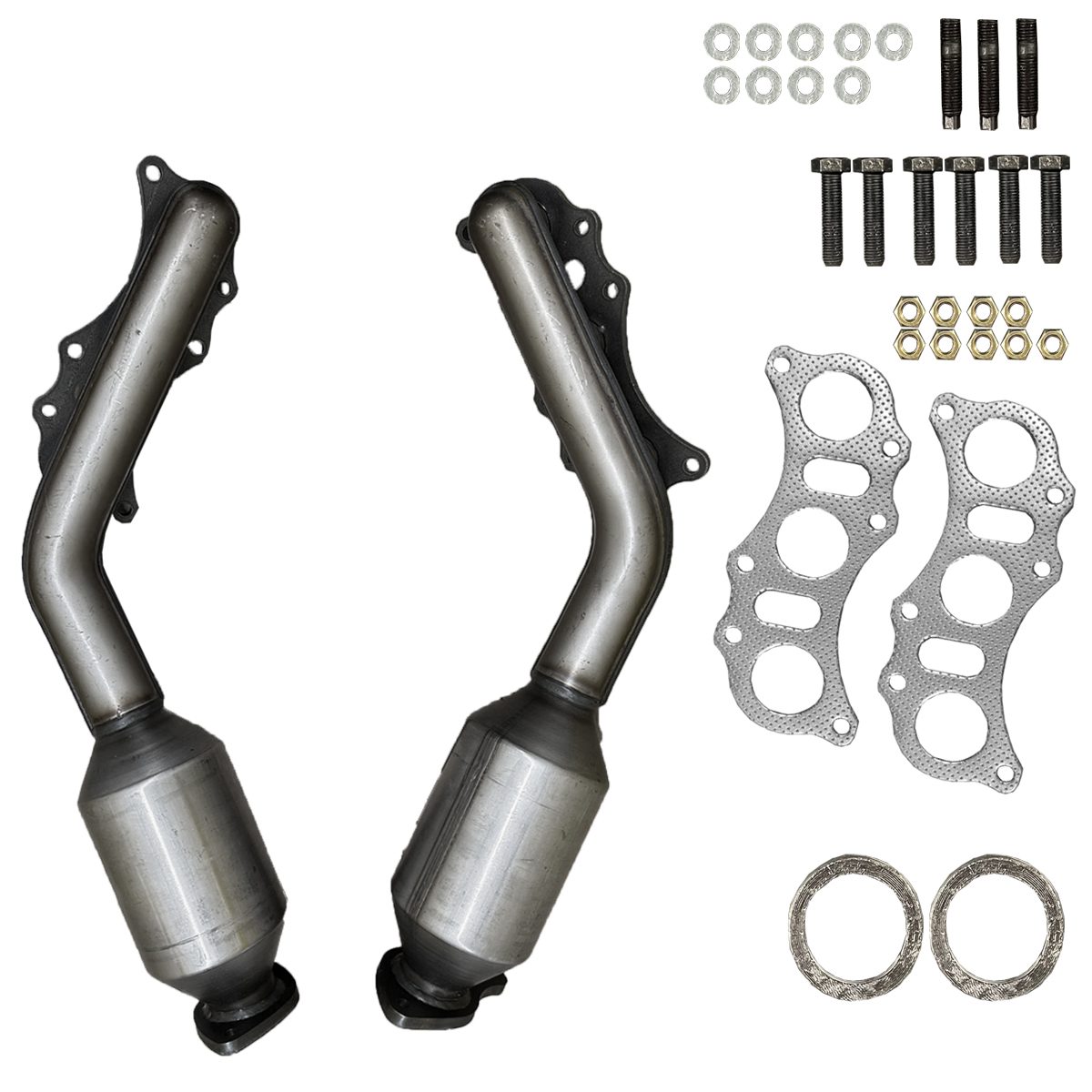
If the engine runs cleanly, there are no misfire or fuel codes, and P0420 or P0430 keeps returning, the converter itself is the likely cause. A direct-fit replacement made for your exact year, model and engine bolts into the factory location.