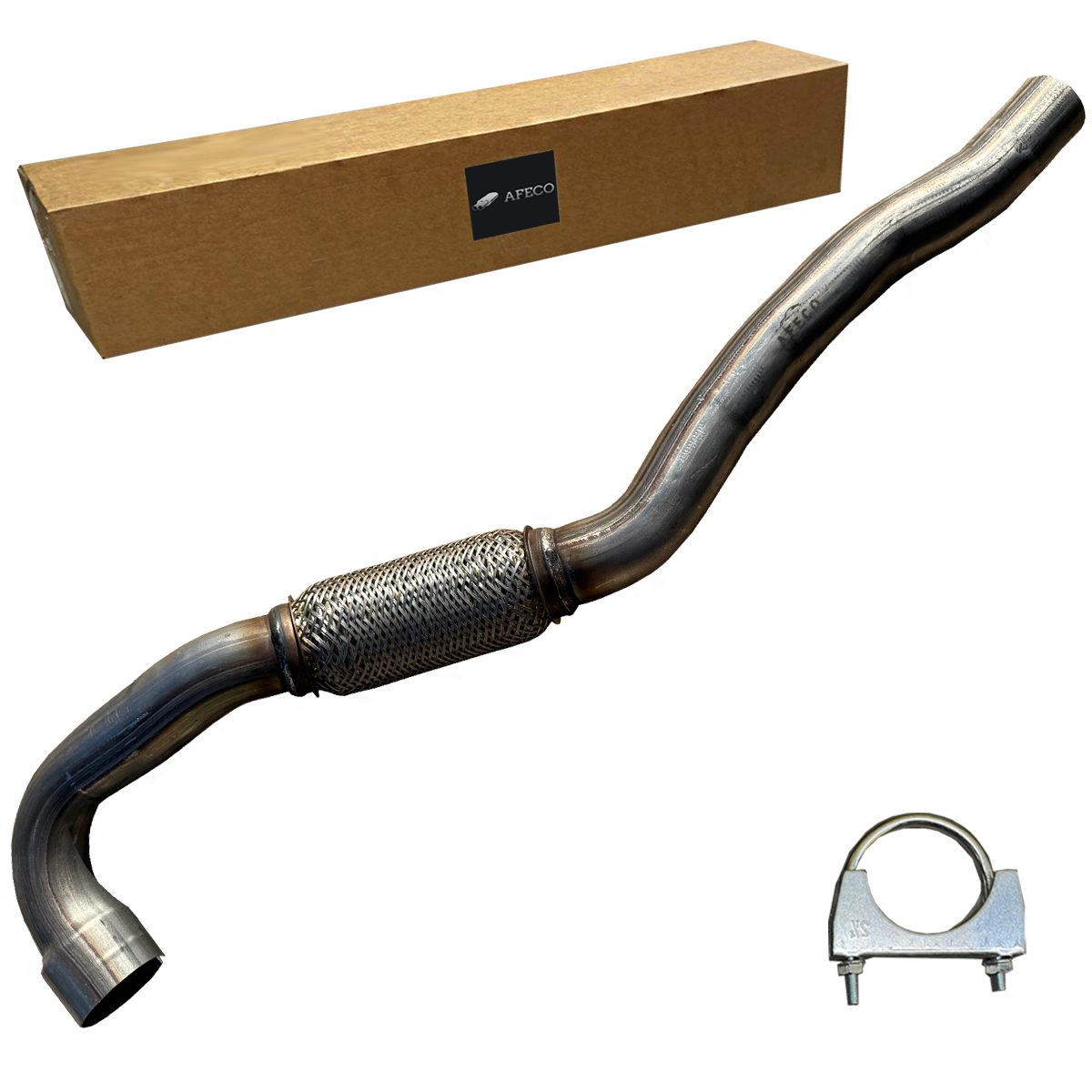
Exhaust Leak and Carbon Monoxide: Warning Signs and When to Stop Driving
Reviewed 2026-10-03. Checked against the sources listed below. This is general information, not a substitute for a mechanic's inspection.
Quick answer
Most exhaust leaks start as a noise problem, but a leak can let carbon monoxide (CO) into the car. The CDC describes CO as an odorless, colorless gas that can cause sudden illness and death. If you smell exhaust inside the car, or anyone has a headache, dizziness or nausea while driving, open the windows, stop when it is safe, and get the exhaust checked before driving further.
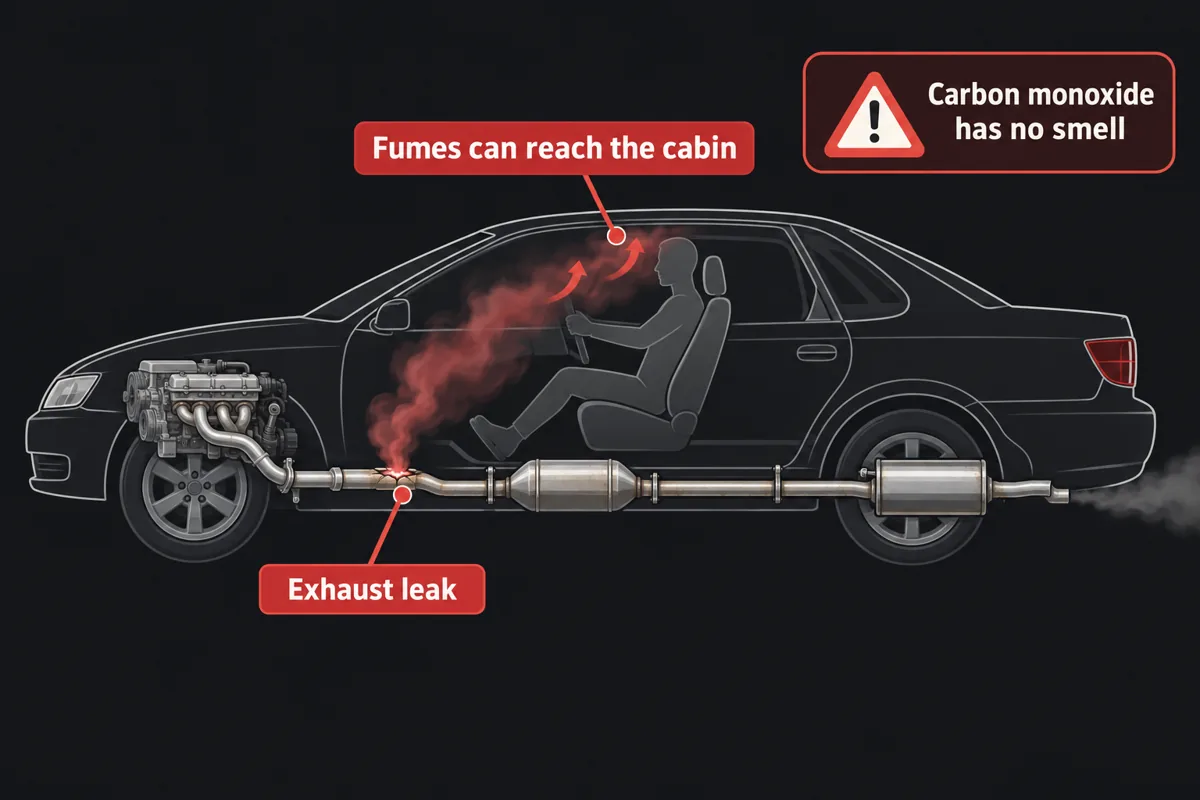
CO symptoms to know
The CDC lists the most common symptoms of CO poisoning as headache, dizziness, weakness, upset stomach, vomiting, chest pain and confusion. They are often described as "flu-like". People who are asleep can be harmed before they notice anything.
Signs your car may have an exhaust leak
- A ticking, puffing or rasping noise, often loudest on a cold start
- A louder exhaust than usual, or a sudden change in sound
- An exhaust smell inside the cabin or around the car
- Black soot marks around a pipe joint, flange or flex section
- A check engine light, if the leak is near an oxygen sensor
Situations that raise the risk
- Sitting still with the engine running, especially with windows closed.
- A blocked tailpipe. The CDC has reported CO poisonings from tailpipes blocked by snow. Clear snow from around the tailpipe before running the engine.
- Running a vehicle in an attached garage, even with the door open. The CDC advises never to do this.
- Driving with a rear tailgate or hatch open, which can pull exhaust inside. If you must, open vents or windows so air moves through.
What to do
- If you notice symptoms, get to fresh air first.
- Do not idle the car to "wait it out".
- Have the exhaust system inspected. The CDC recommends having a mechanic check the exhaust system of your car or truck every year.
- Replace leaking parts with ones made for your vehicle, and replace gaskets and hardware at the same time.
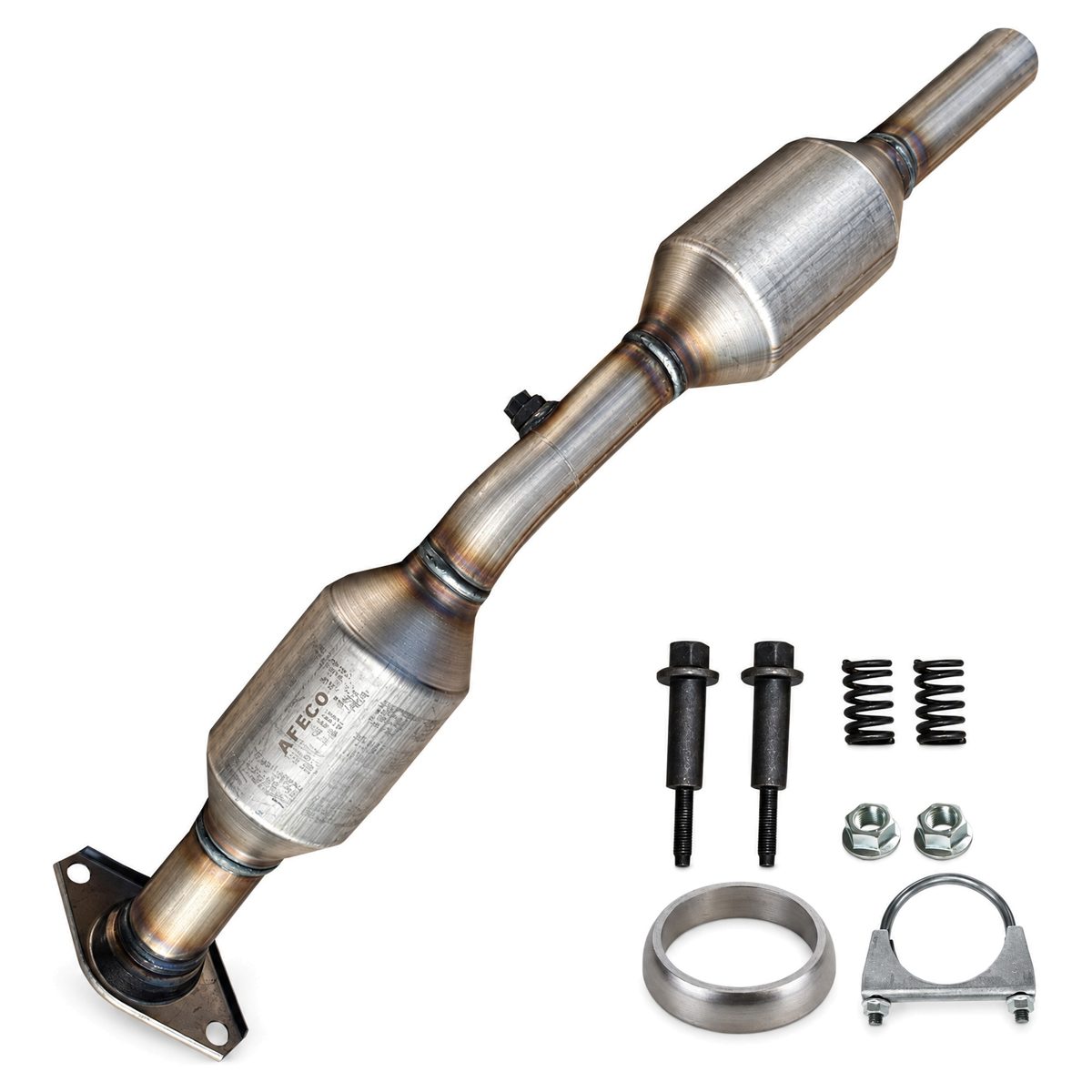
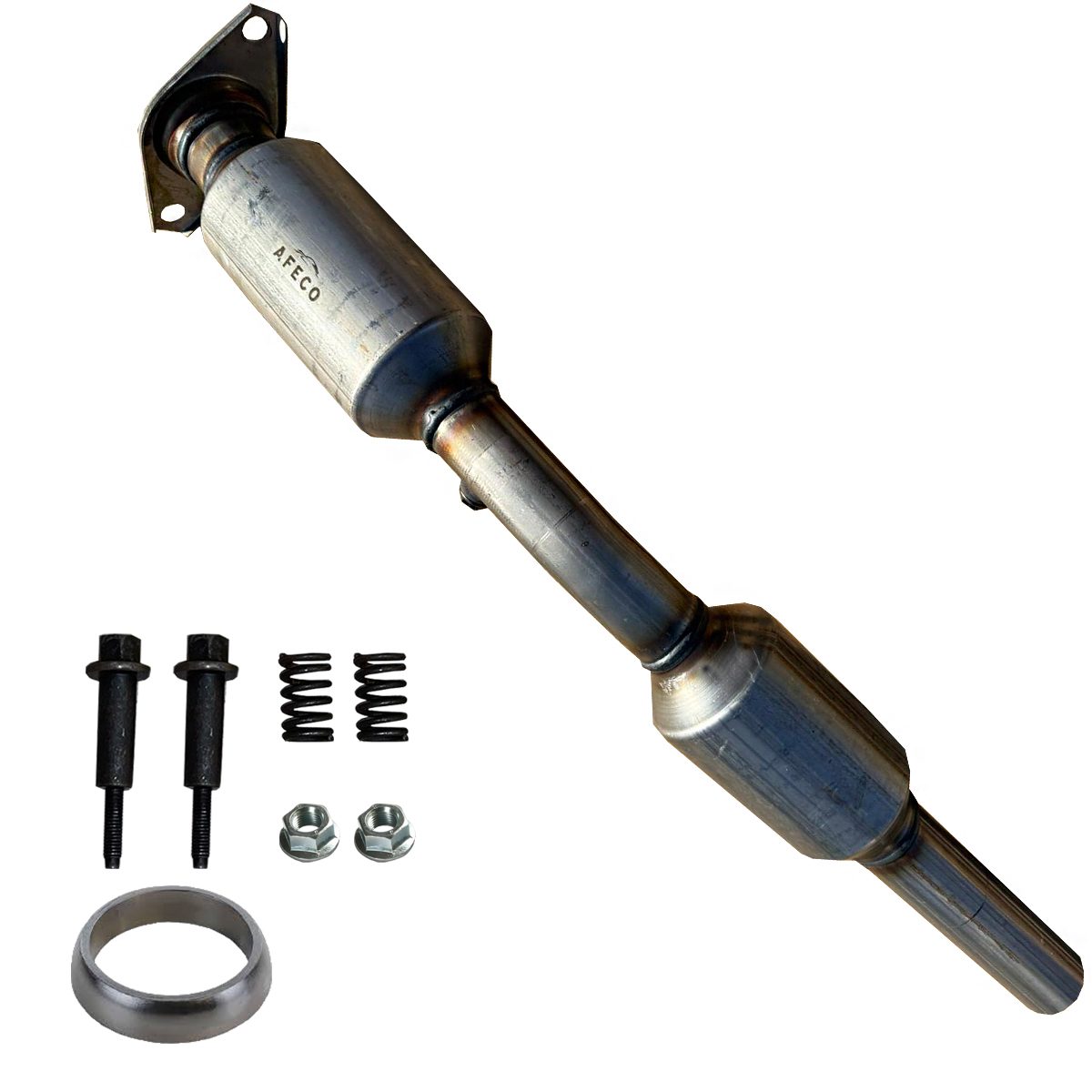
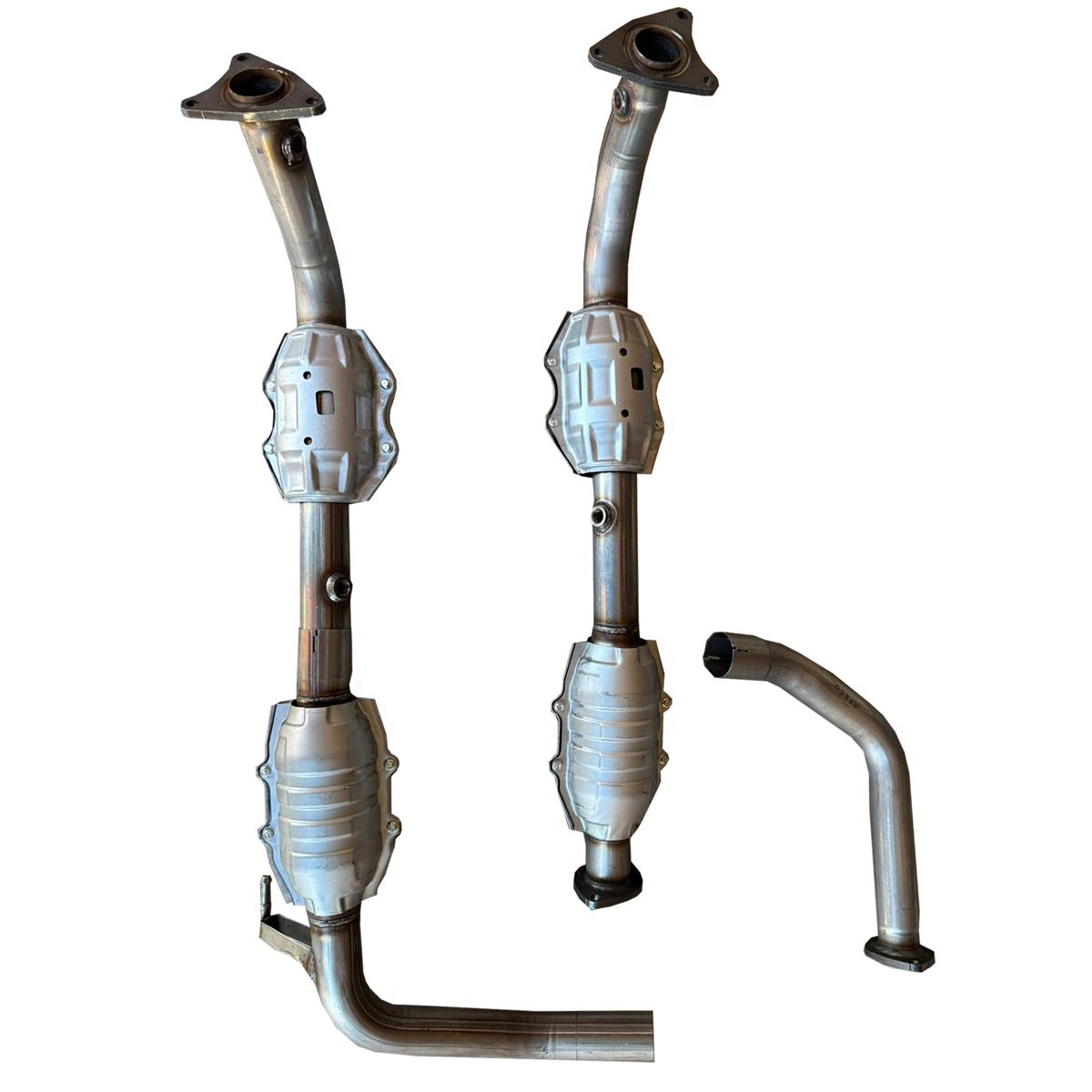
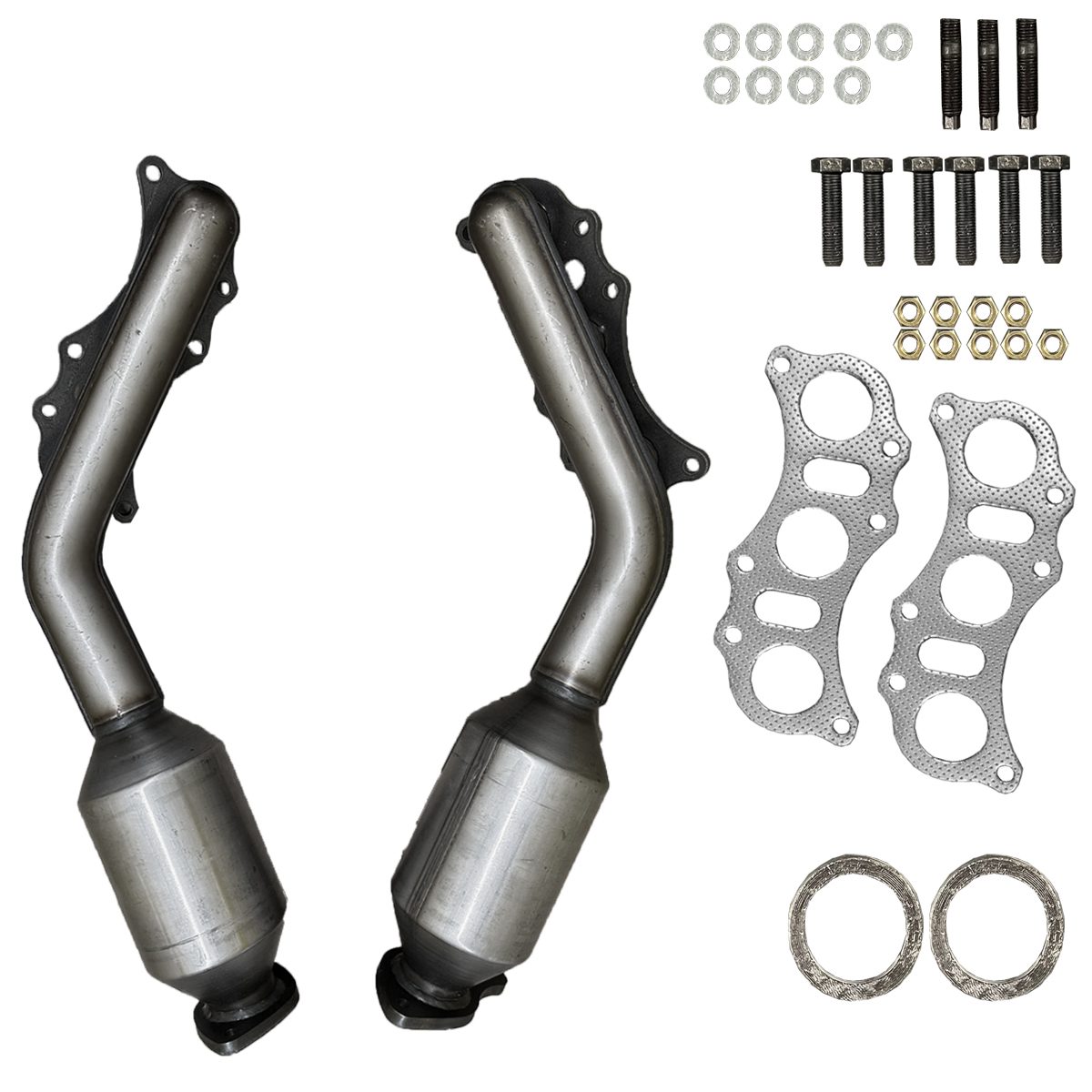
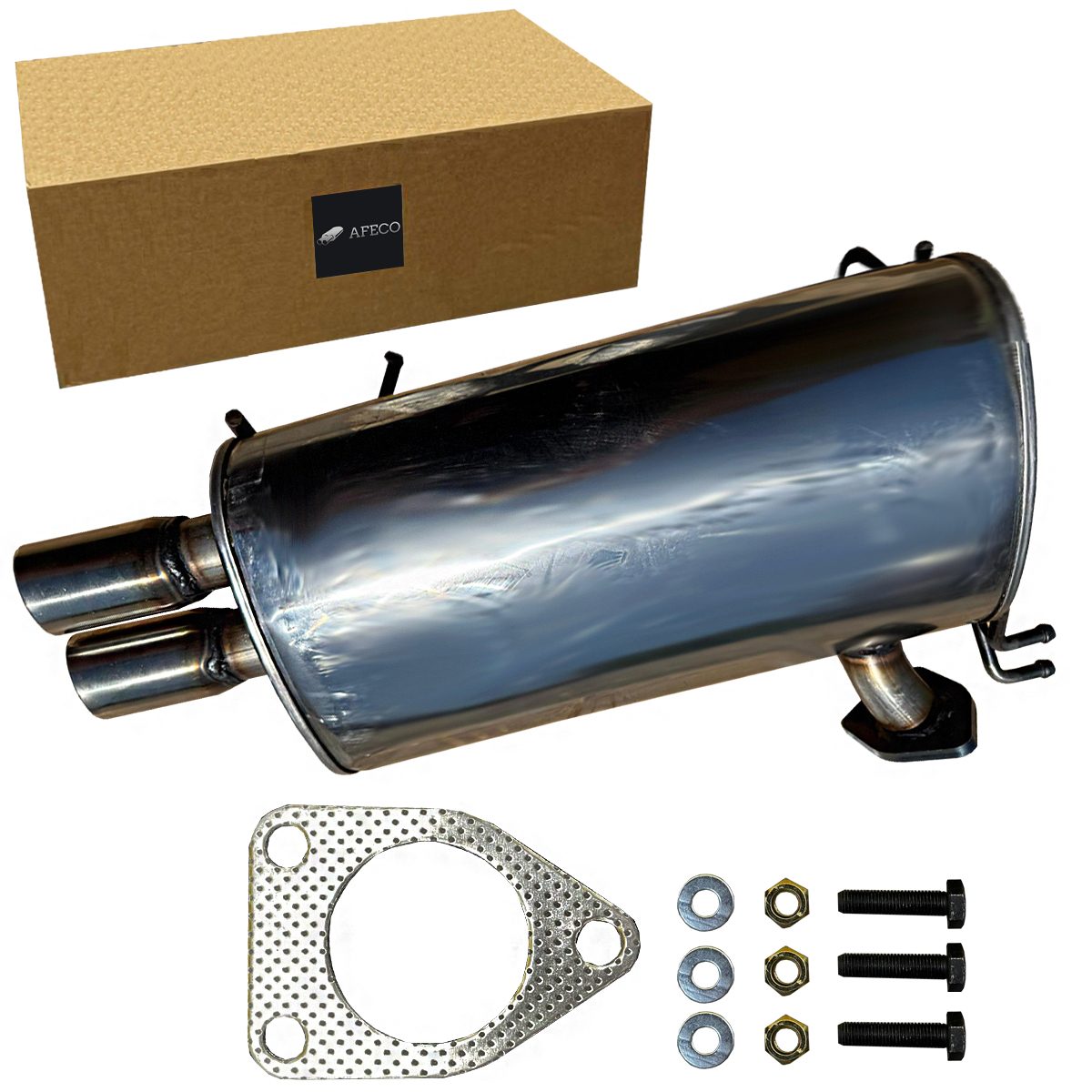
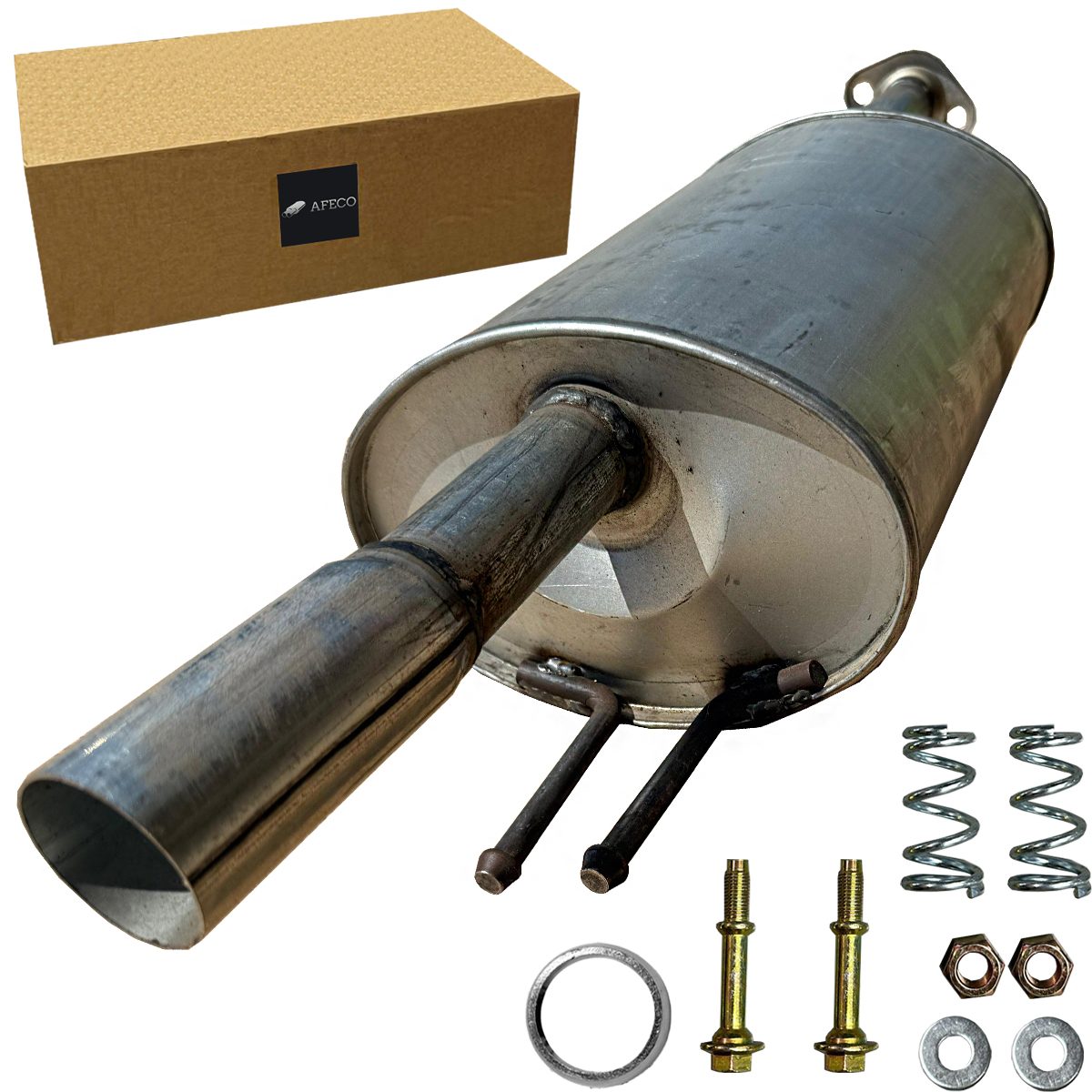
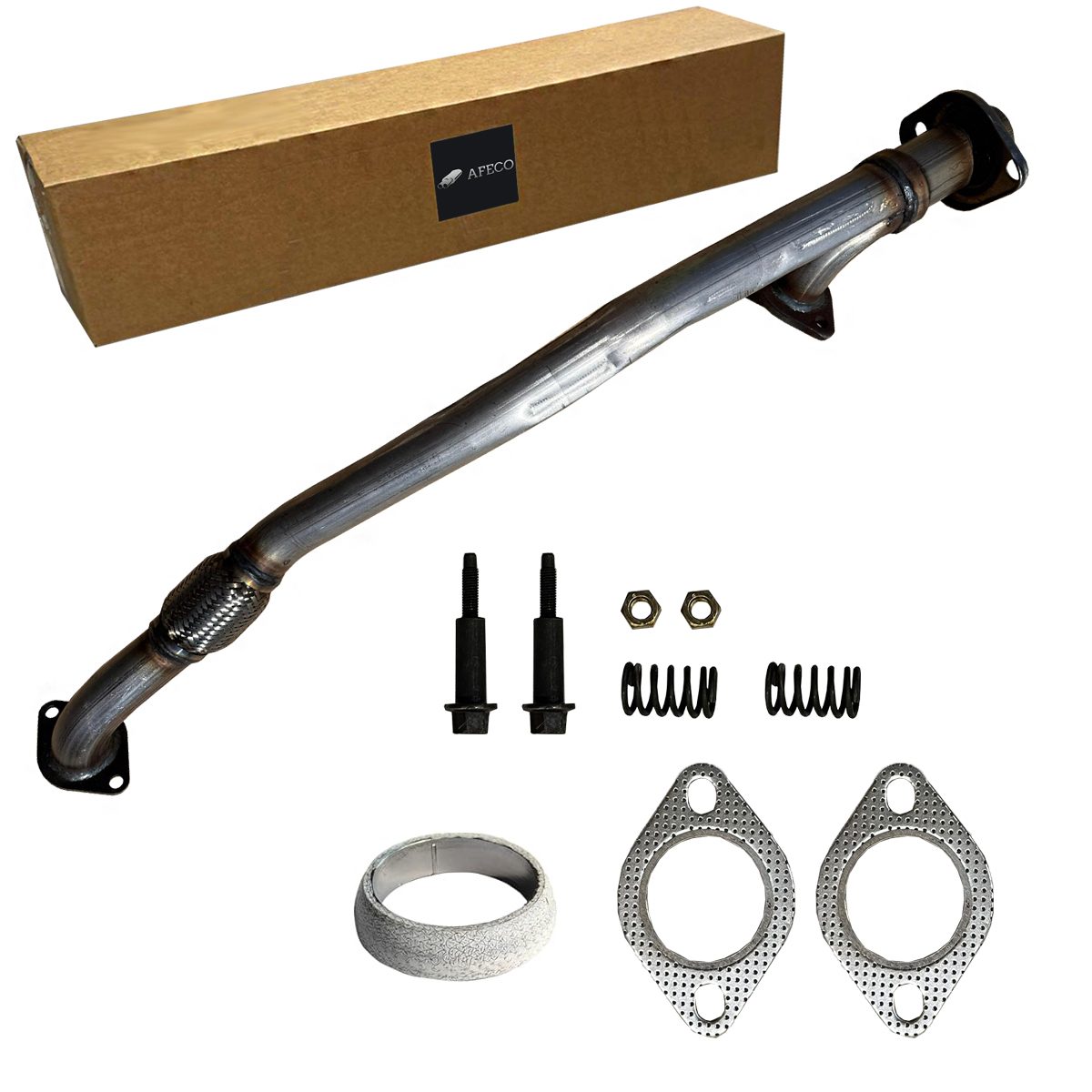
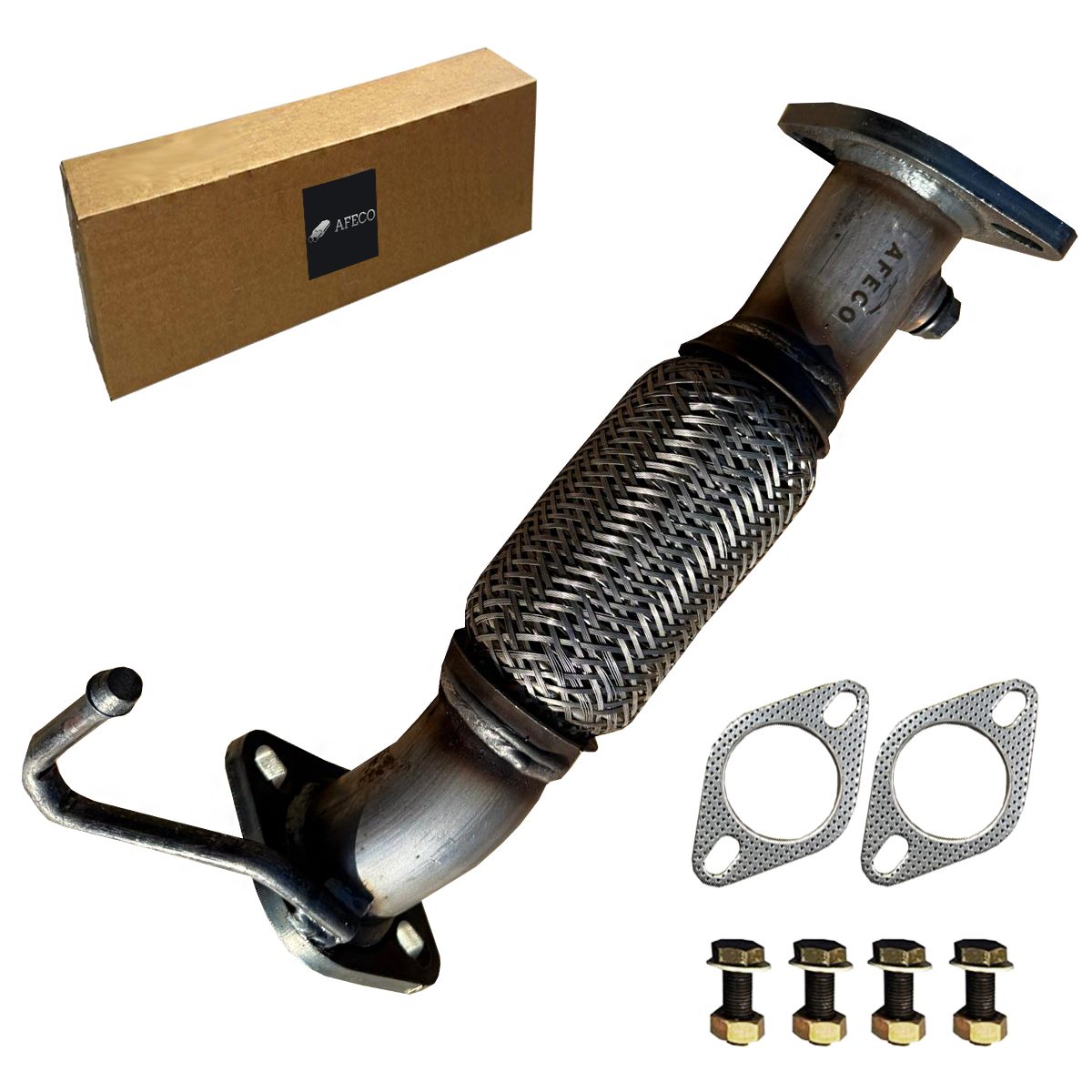
Related AFECO parts
Direct-fit exhaust parts for the vehicles listed on each page.
Guides for your vehicle
- 2011-2019 Dodge Journey 3.6L V6 Flex Pipe
- 2006-2011 Honda Civic 1.8L and Civic Hybrid 1.3L Muffler
- Hyundai Elantra Flex Pipe
- 2007-2020 Mitsubishi Outlander 3.0L V6 Flex Pipe
- 2007-2013 Mitsubishi Outlander 3.0L V6 Muffler
- Toyota 4Runner, Tacoma and FJ Cruiser 4.0L V6 Manifold Catalytic Converters
- 2003-2008 Toyota Corolla 1.8L Catalytic Converter
- 2009-2013 Toyota Corolla 1.8L Catalytic Converter
- Toyota Tundra 5.7L (2007-2019) and Sequoia 5.7L (2008-2011) Catalytic Converters