P0420 Code: Catalyst Efficiency Below Threshold (Bank 1), Causes and What to Check First
Reviewed 2026-10-03. Checked against the sources listed below. This is general information, not a substitute for a mechanic's inspection.
Quick answer
P0420 means the engine computer thinks the catalytic converter on bank 1 is no longer cleaning the exhaust well enough. Bank 1 is the side of the engine with cylinder number 1. On a 4-cylinder engine there is only one bank, so P0420 simply means "the converter".
The code is often caused by a worn-out converter, but not always. An exhaust leak, a lazy oxygen sensor or an engine misfire can trigger the same code. Checking those first can save you from buying a part you do not need, or from killing a brand new converter.
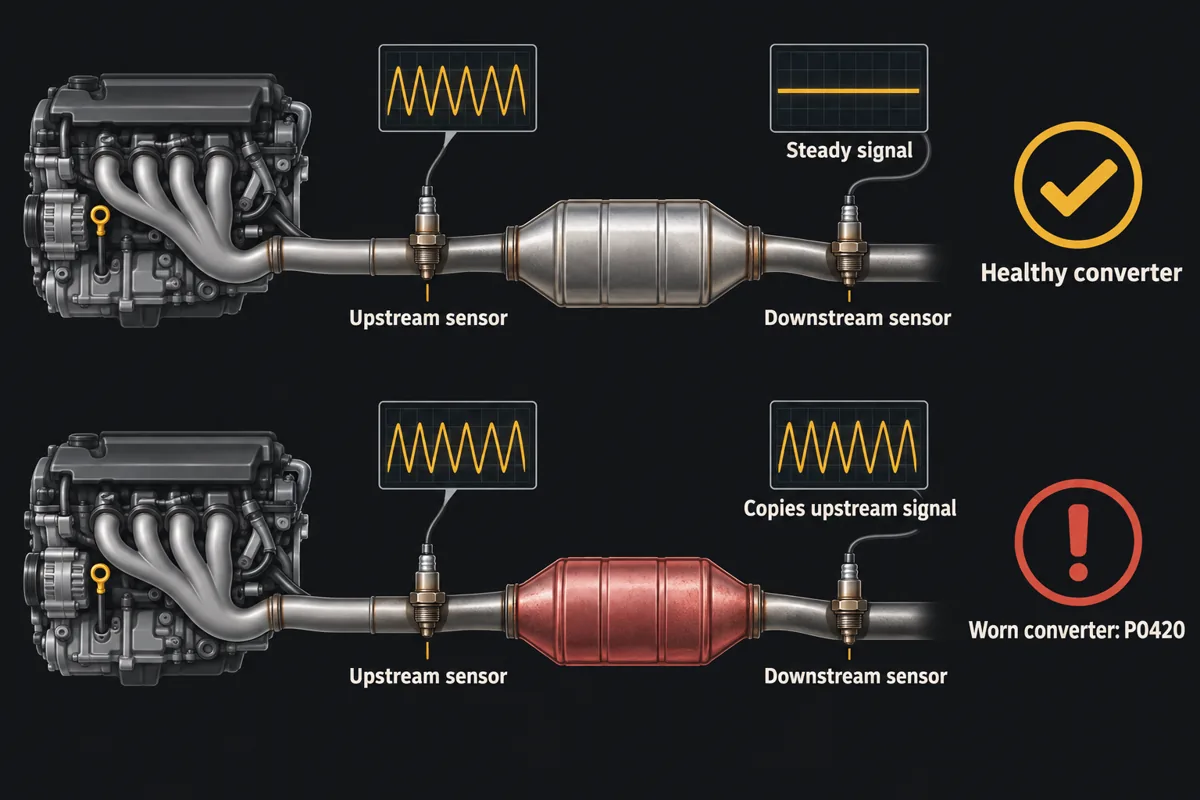
How the car decides the converter is weak
There are two oxygen sensors around the converter:
- The upstream sensor, before the converter, sees exhaust that is constantly swinging between rich and lean.
- The downstream sensor, after the converter, should see a much steadier signal, because a healthy converter stores and releases oxygen and smooths those swings out.
When the downstream signal starts copying the upstream signal, the computer concludes the converter is not doing its job and sets P0420. That is why anything that confuses either sensor can cause the code too.
What to check first, in this order
- Other codes. Misfire codes (P0300 to P0304), lean codes (P0171) or oxygen sensor codes come first. A misfire sends unburned fuel into the converter and can overheat and destroy it. Fix those before replacing the converter.
- Exhaust leaks before or near the downstream sensor. A leak lets outside air in, which makes the downstream sensor read lean and look "active". Look and listen for ticking or puffing at joints, flanges and the flex pipe with the engine cold.
- The downstream oxygen sensor and its wiring. A slow or damaged sensor, or a corroded connector, can give a false reading. A scan tool that shows live sensor data helps here.
- Software updates. Some manufacturers released computer updates for catalyst monitoring. A dealer can tell you if one applies to your vehicle.
- The converter itself. If the engine runs well, there are no leaks and both sensors work, a tired converter is the most likely cause. Rattling inside the converter shell, a rotten egg smell or a failed emissions test point the same way.
Is it safe to drive with P0420?
Usually the car drives normally in the short term. The risks are a failed emissions inspection, worse fuel economy, and in the case of a clogged converter, loss of power. If the check engine light is flashing, that means an active misfire: reduce driving and get it checked, because a misfire can overheat the converter quickly.
If you do replace the converter
- Fix the root cause first (misfire, oil burning, coolant leak). A new converter fed by a sick engine can fail again.
- Use a converter made for your exact year, engine and position. Direct-fit parts bolt into the original location; universal parts need cutting and welding.
- Replacement rules differ by area. California and some other states require converters approved by the California Air Resources Board. Federal rules for aftermarket converters are set out in the EPA policy linked below. Check what applies where your vehicle is registered.
- Clear the code after the repair and drive normally. The computer needs several drive cycles before the catalyst monitor shows "ready".
Related AFECO parts
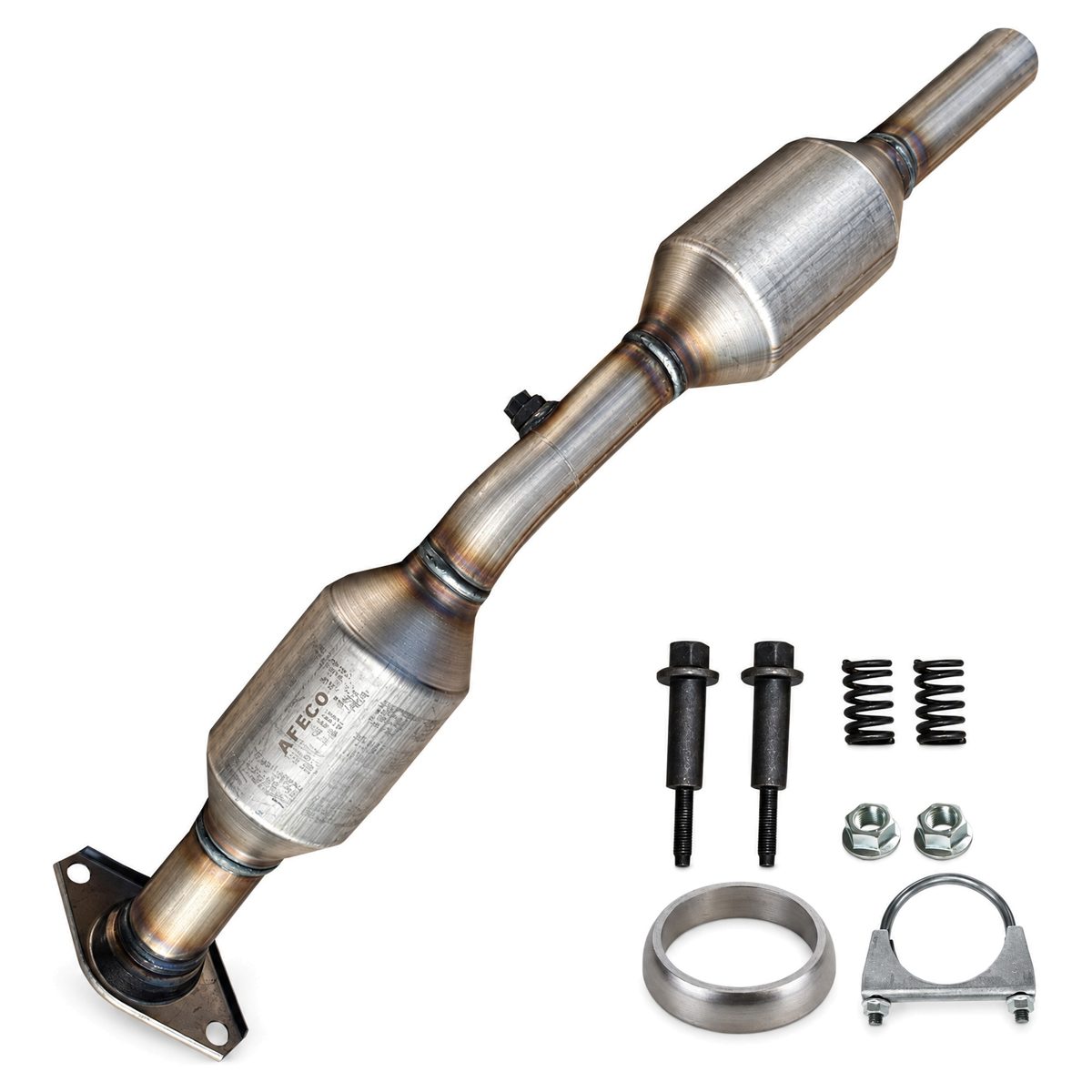
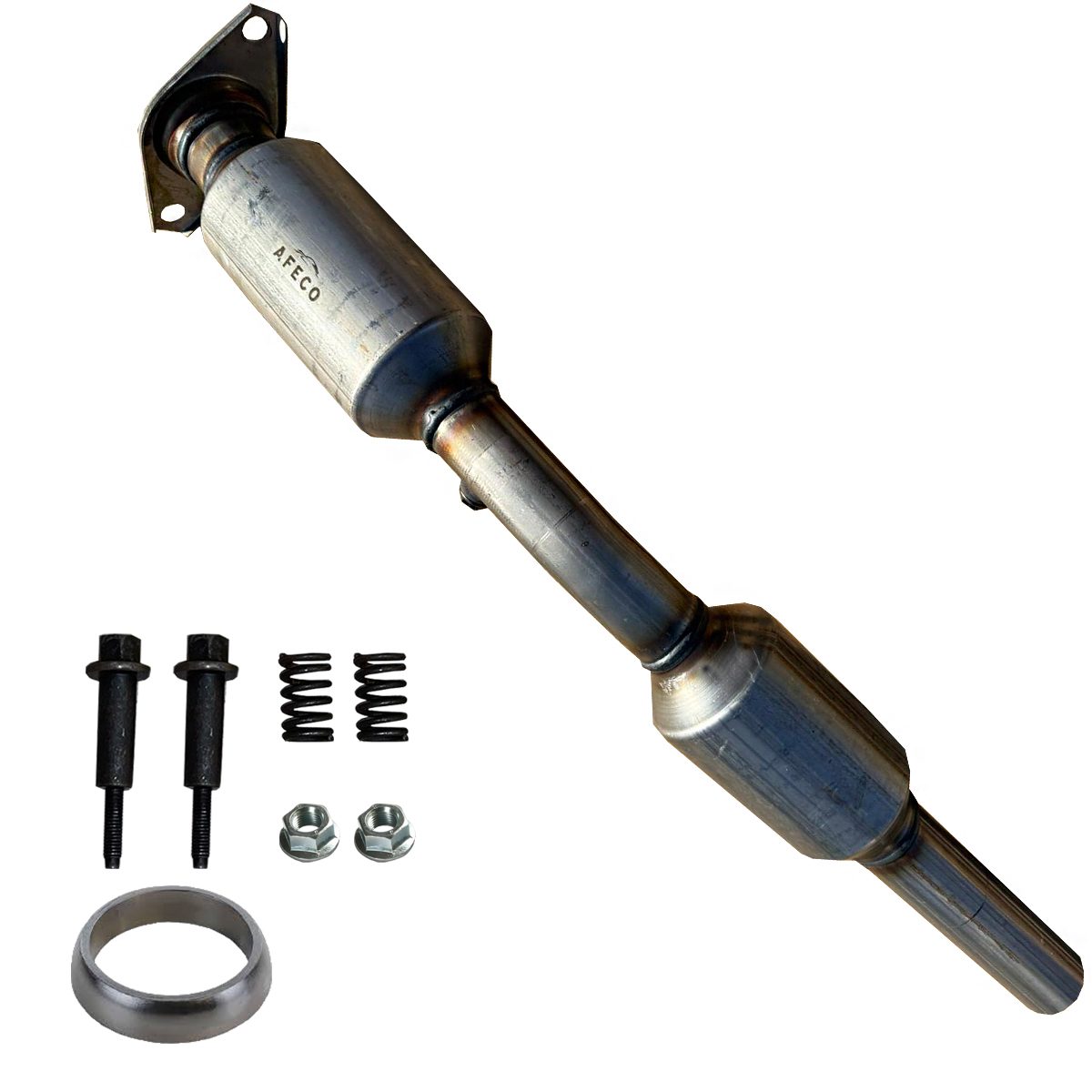
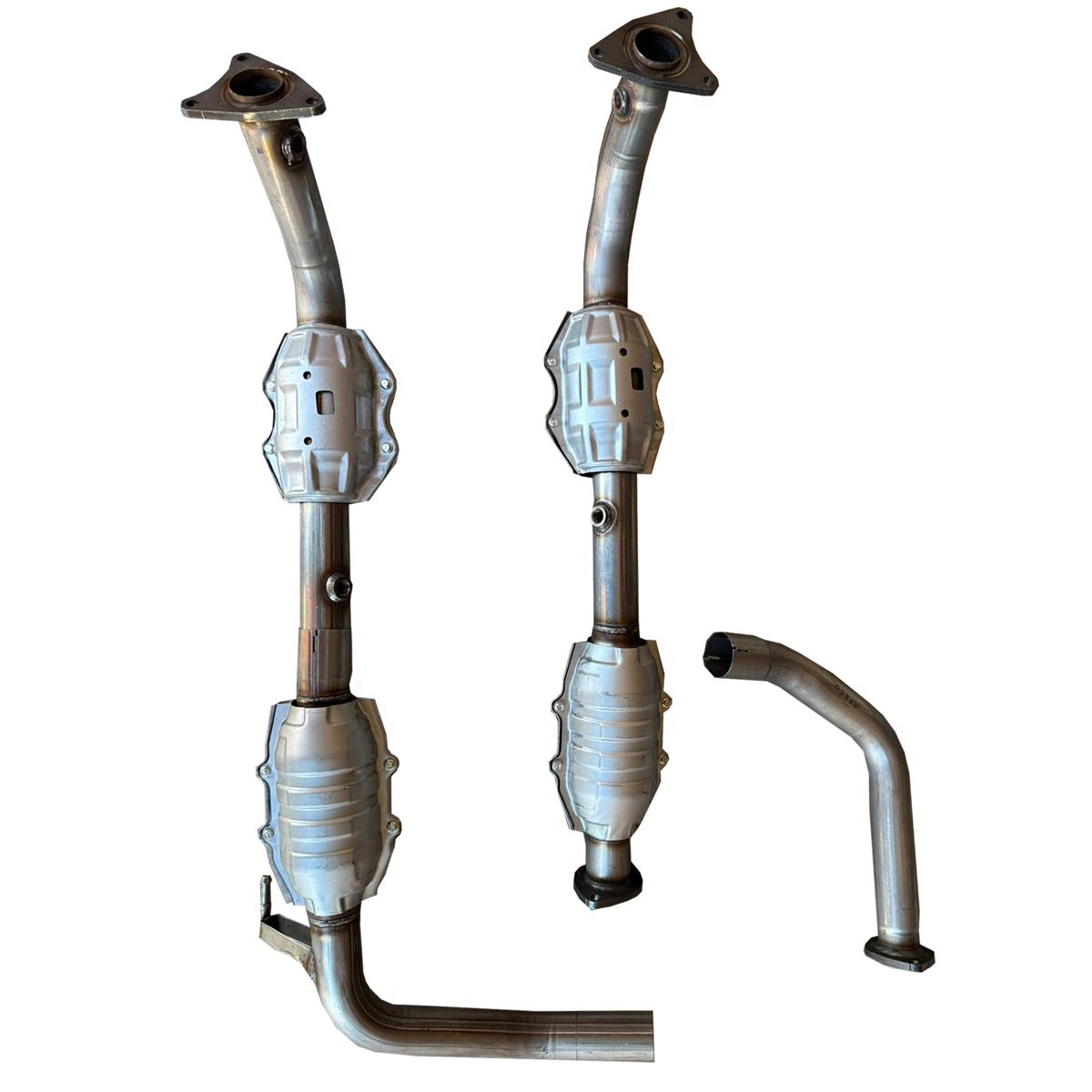
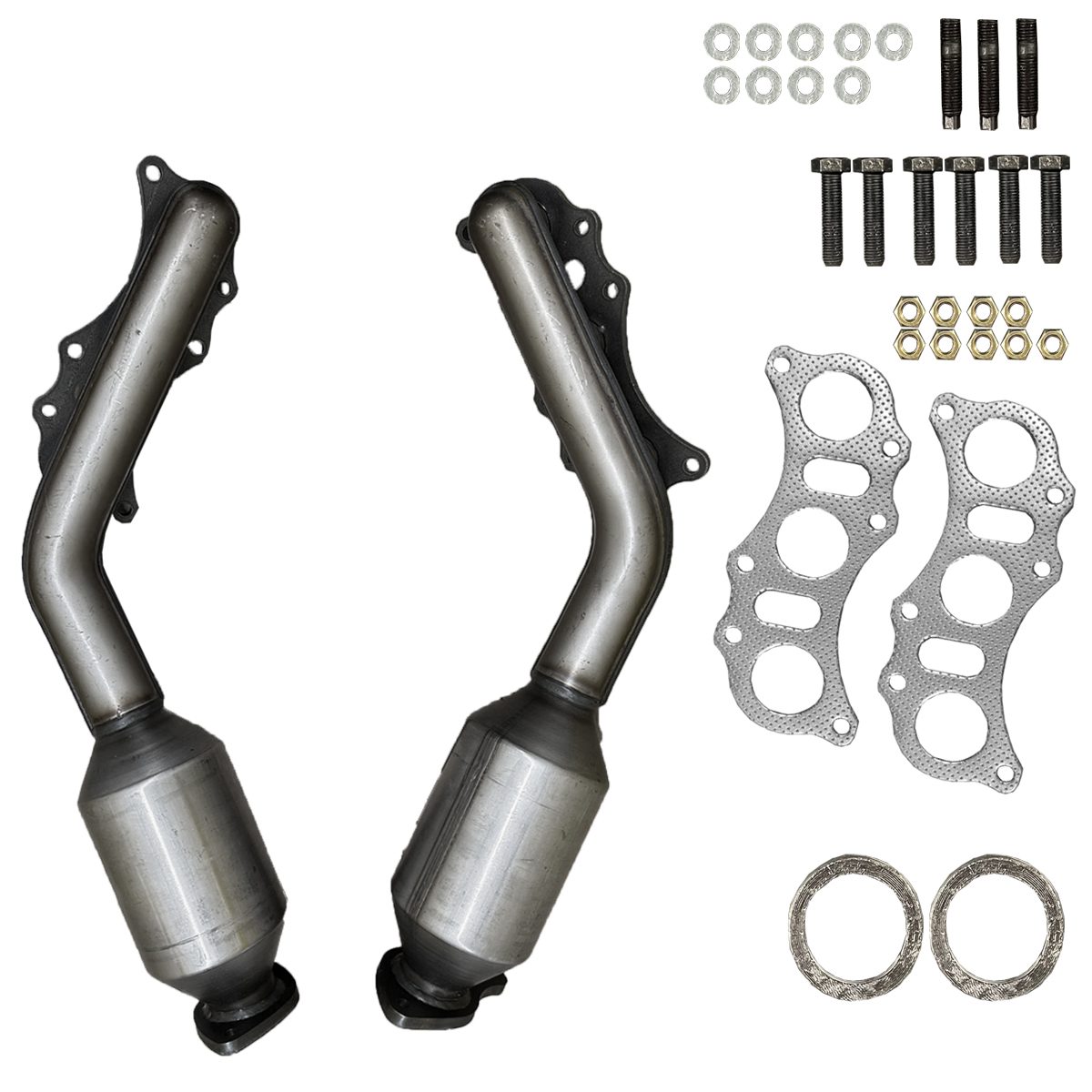
The direct-fit converters below are listed for the exact vehicles shown on each page. Always confirm year, model and engine before ordering.