New Catalytic Converter but Still Getting P0420? Here Is Why
Reviewed 2026-10-03. Checked against the sources listed below. This is general information, not a substitute for a mechanic's inspection.
Quick answer
P0420 means the computer thinks the converter is not cleaning the exhaust well enough. It decides that by comparing the oxygen sensors before and after the converter. If the code comes back after a new converter, the usual reasons are an exhaust leak, a worn or wrong oxygen sensor reading, an engine problem that was never fixed, or a converter that does not suit the vehicle. As Walker Exhaust puts it, replacing the converter does not guarantee the code will stay away if engine problems remain.
The usual reasons
1. An exhaust leak
A leak lets outside air in and makes the oxygen sensors read wrong. Walker notes that even very small leaks can badly affect sensor accuracy. Check the manifold, the flex pipe, every gasket and the welds around the oxygen sensor ports. Walker also recommends checking connections within about 3 inches after the converter outlet.
2. The engine problem that killed the old converter
Misfires, a rich fuel mixture, oil burning or a coolant leak damage converters. AA1Car warns that if the cause of the failure is not repaired, the new converter will likely suffer the same fate. Scan for every stored code, not just P0420.
3. Oxygen sensors
The upstream sensor controls the fuel mixture and the downstream sensor judges the converter. A sluggish or damaged sensor can lead to a false catalyst reading or make the engine run rich. Sensors are often replaced at the same time as the converter on high-mileage vehicles.
4. Readiness and timing
After a repair, codes are often cleared and the catalyst monitor has to run again. If the old fault is still there, the code returns once the monitor runs. If the fix worked, the monitor completes and the light stays off. See our guide on readiness monitors.
5. The converter does not suit the vehicle
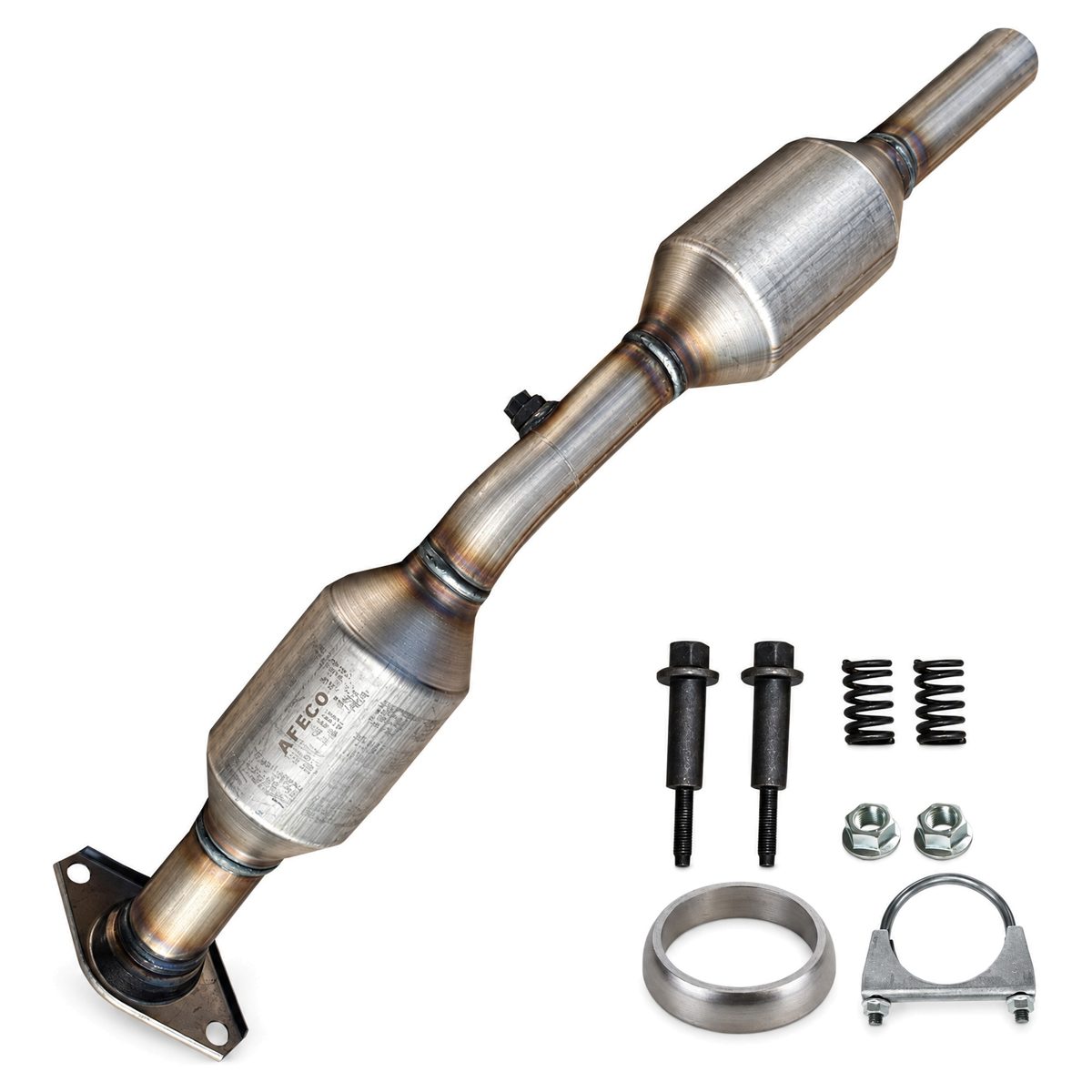
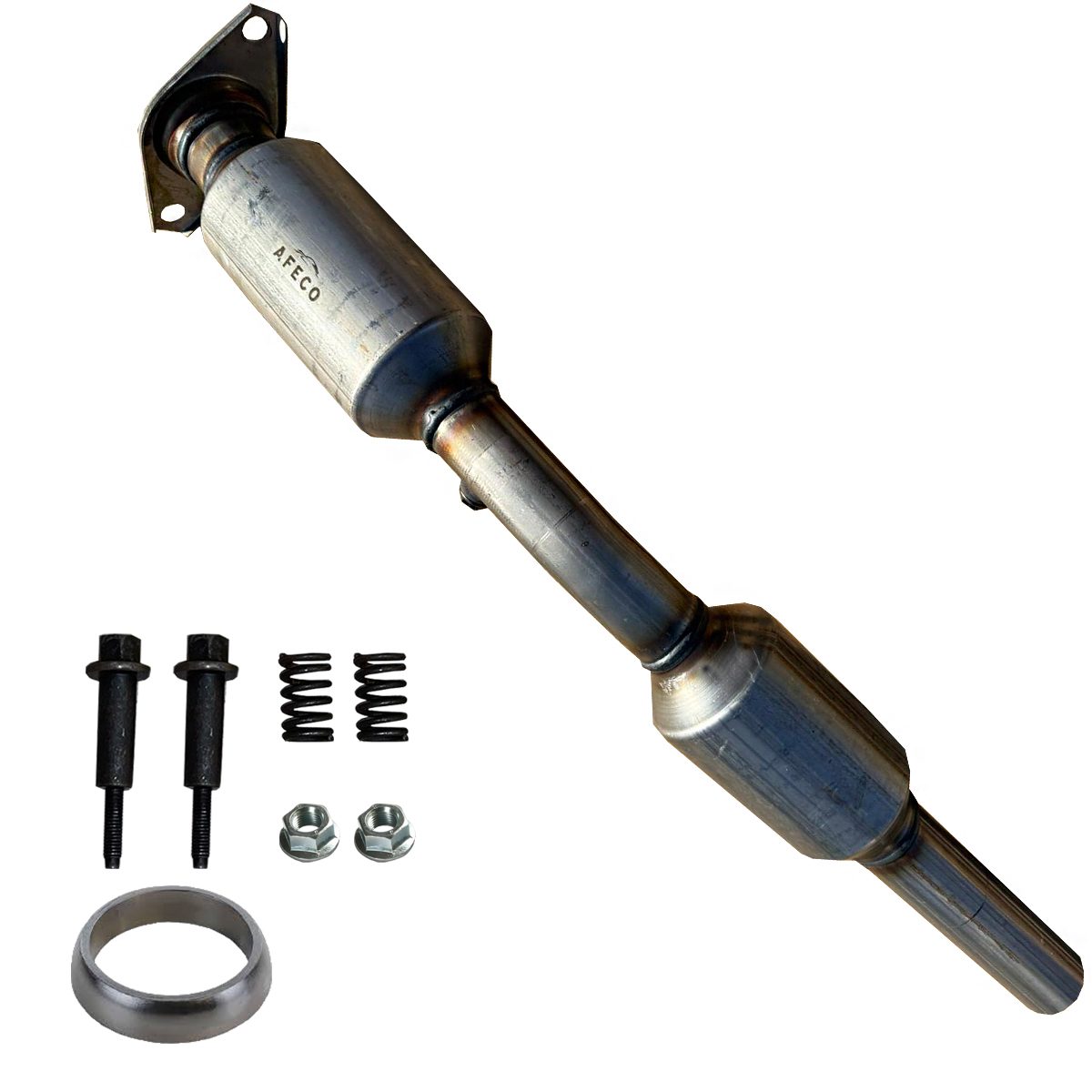
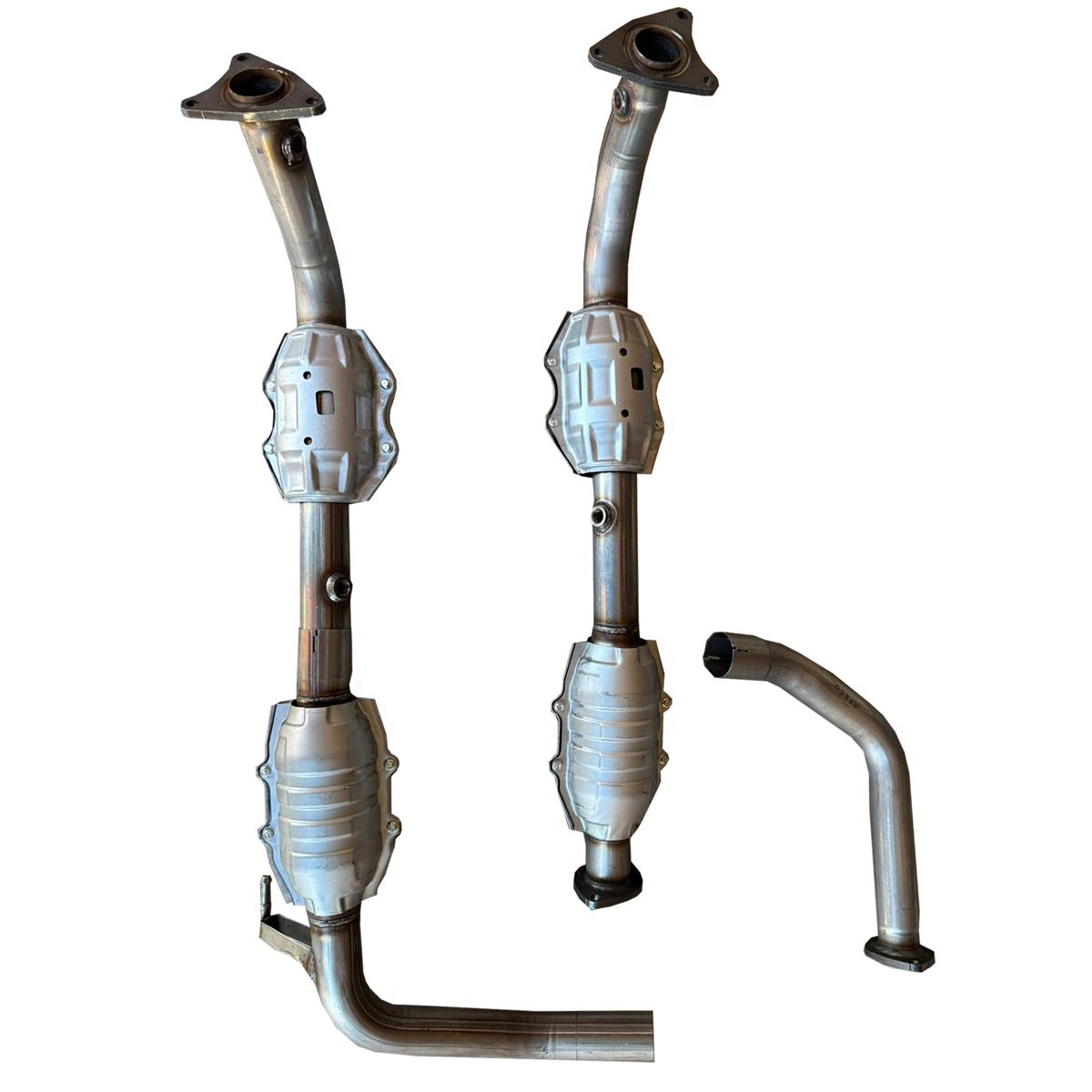
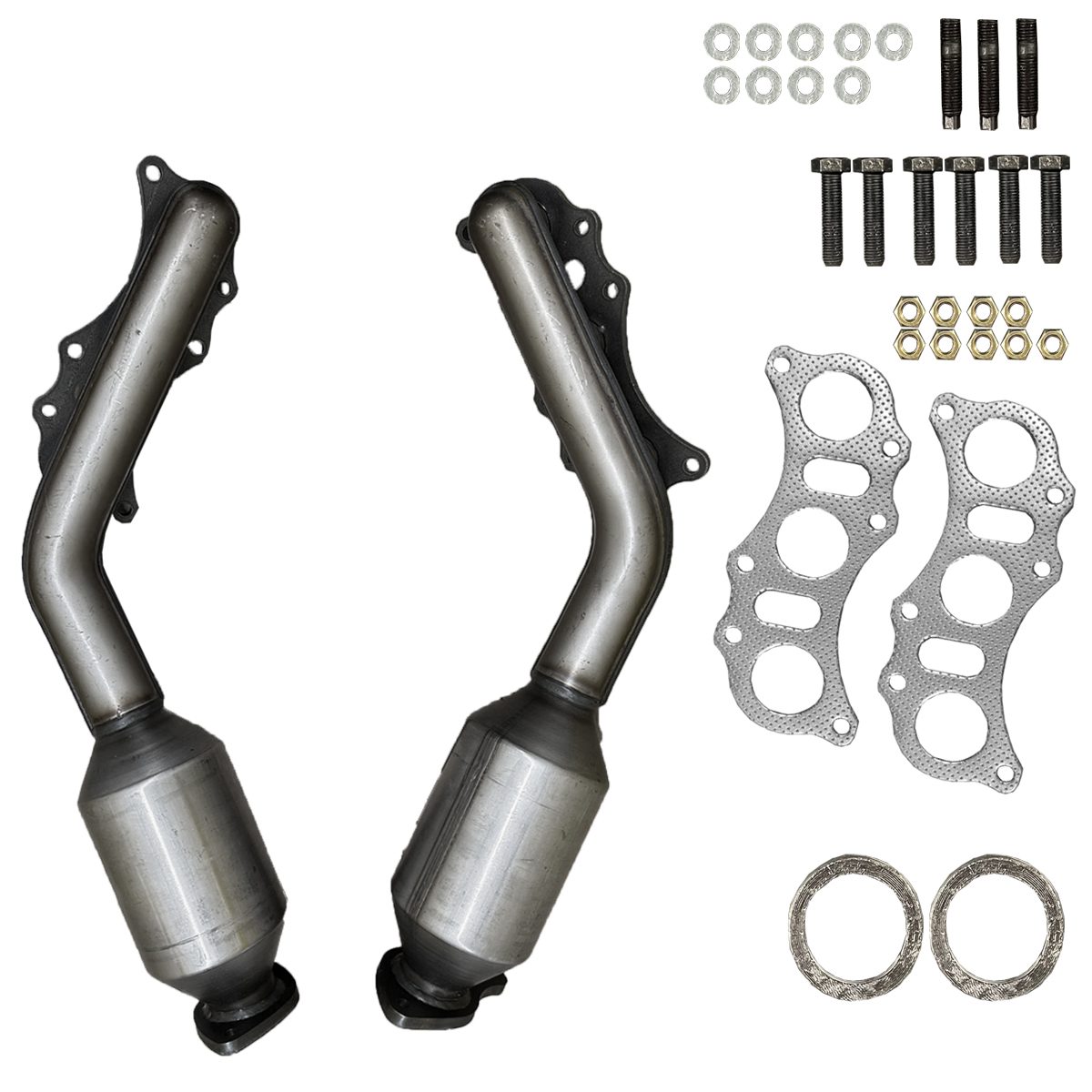
A converter must be the right one for the exact year, engine and emissions certification. A universal converter that is too small, or one fitted in the wrong spot, may not pass the computer's test. Direct-fit converters keep the factory shape and sensor positions.
Order of checks
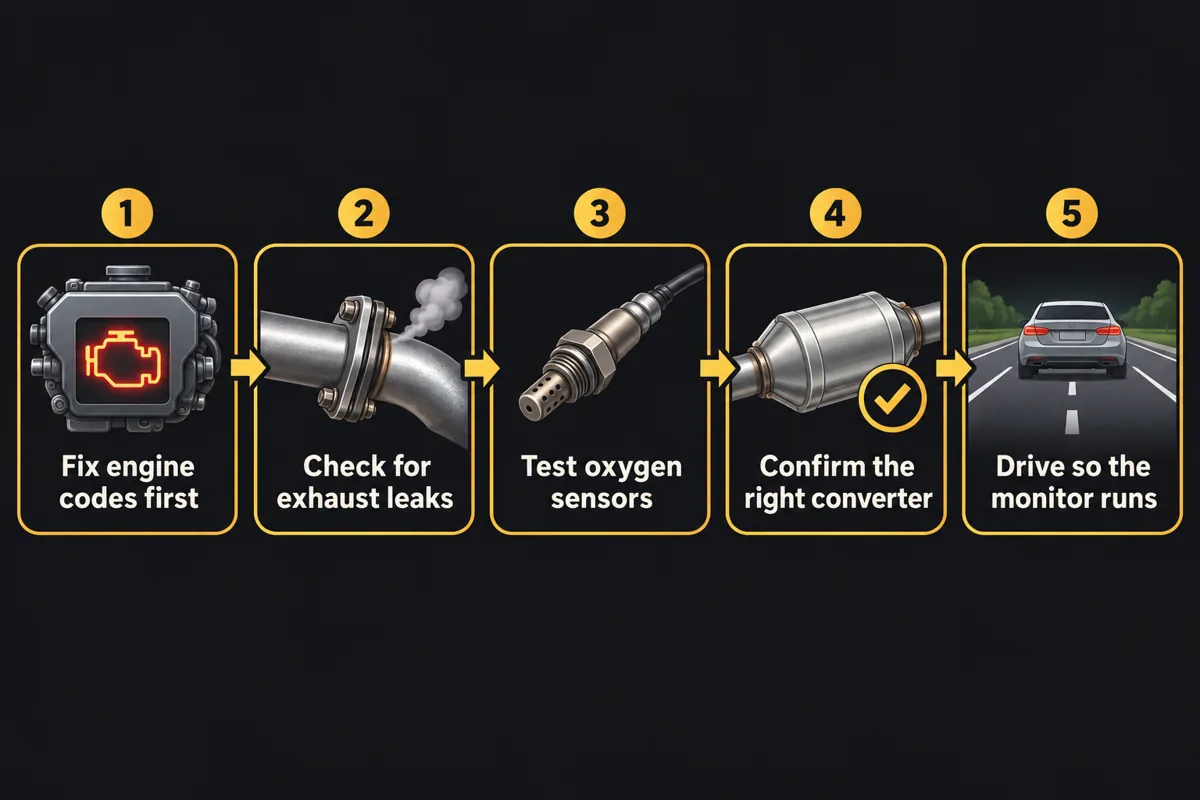
- Read all stored and pending codes and fix any misfire, fuel trim or sensor codes first.
- Check for exhaust leaks, cold and warm.
- Check the oxygen sensor readings with a scan tool.
- Confirm the converter is listed for the exact year, make, model and engine.
- Drive normally so the catalyst monitor can complete.
Related AFECO parts
Direct-fit converters listed for the exact vehicles on each page.