Flashing Check Engine Light: Why It Can Ruin Your Catalytic Converter
Reviewed 2026-10-03. Checked against the sources listed below. This is general information, not a substitute for a mechanic's inspection.
Quick answer
A steady check engine light means the computer found a fault and the car should be checked soon. A flashing light is more urgent. The California Air Resources Board says a blinking light means a malfunction is happening that could be damaging your catalytic converter. The usual cause is an engine misfire. Reduce speed and load, and get the car checked as soon as you can.
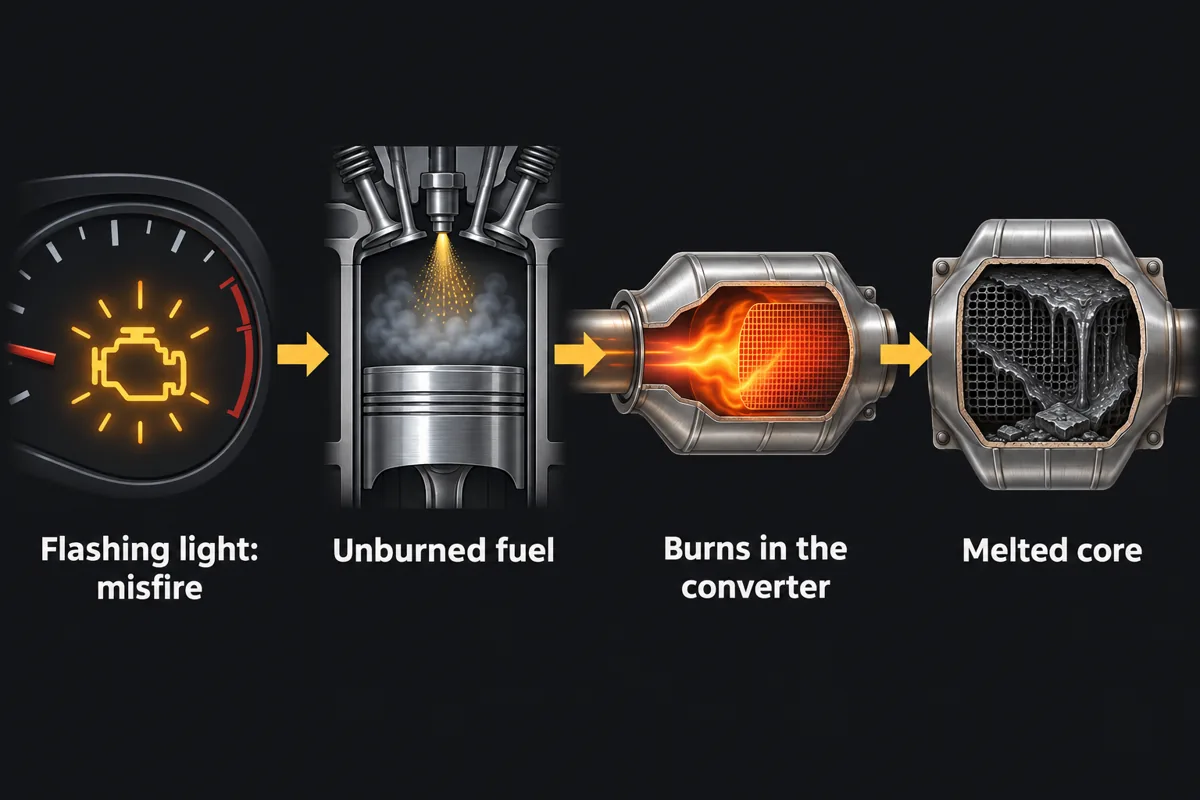
Why misfires hurt the converter
When a cylinder misfires, its fuel does not burn in the engine. That raw fuel goes into the exhaust and reaches the converter along with oxygen, where it burns. Walker Exhaust explains that this is what makes converters glow red hot and melt inside. A melted converter can block the exhaust and cost much more than the misfire repair.
Common causes of misfires
From Walker's list of converter killers:
- Worn spark plugs or weak ignition coils (poor or no spark)
- Fuel injector problems
- Low compression
- Air-fuel imbalance between cylinders
Codes P0300 (random misfire) and P0301 to P0308 (a specific cylinder) point to the problem.
What to do when the light flashes
- Ease off. Avoid hard acceleration, towing and highway speeds.
- Get it scanned as soon as possible. Many auto parts stores can read codes.
- Fix the misfire first. Plugs, coils or injectors are far cheaper than a converter.
- Then check the converter. After a long misfire, look for a rattle, power loss or P0420 and P0430 once the engine runs cleanly.
Steady light: still worth checking
A steady light can come from many things, from a sensor to an evaporative leak. It is less urgent, but some faults, such as a lean or rich condition, can slowly harm the converter too.
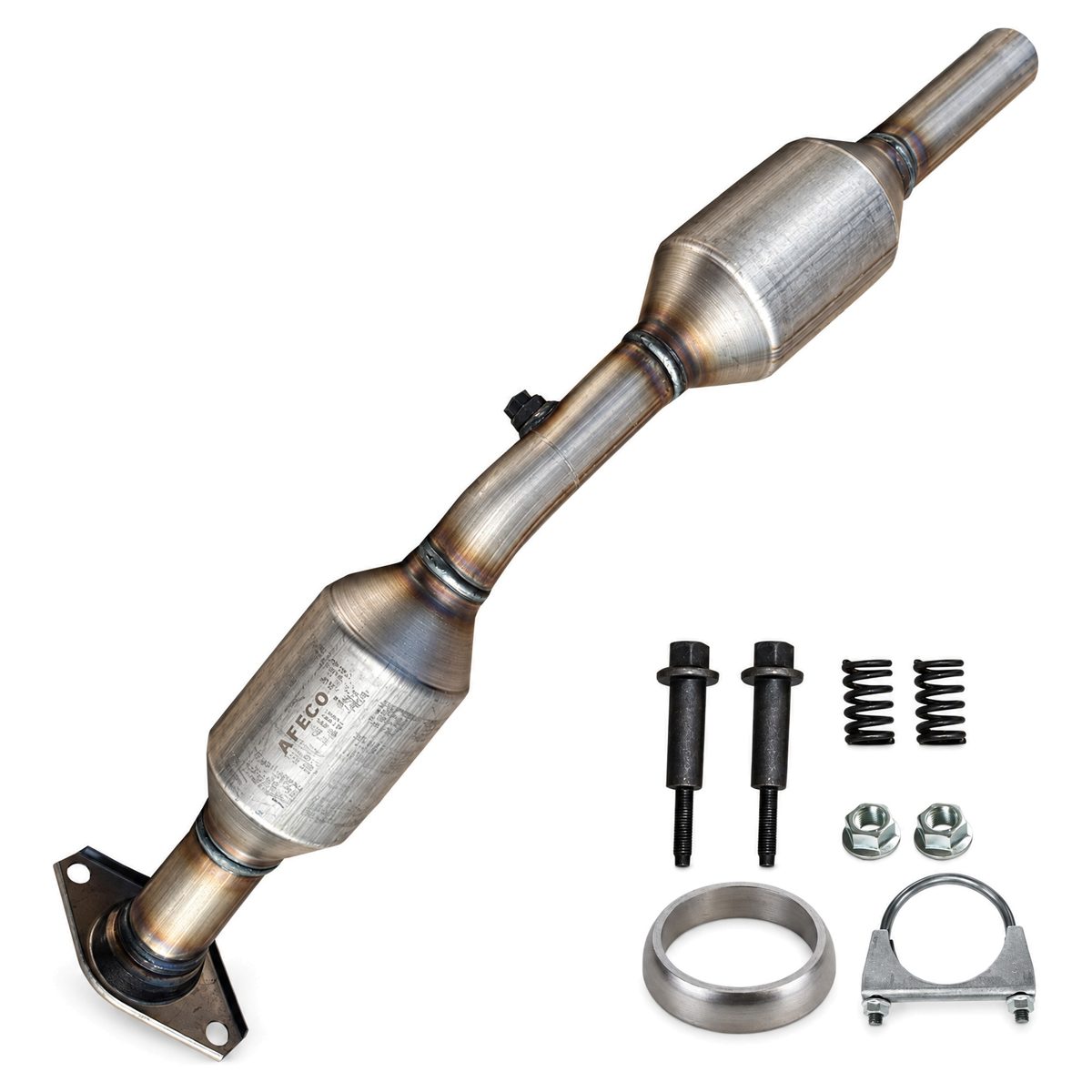
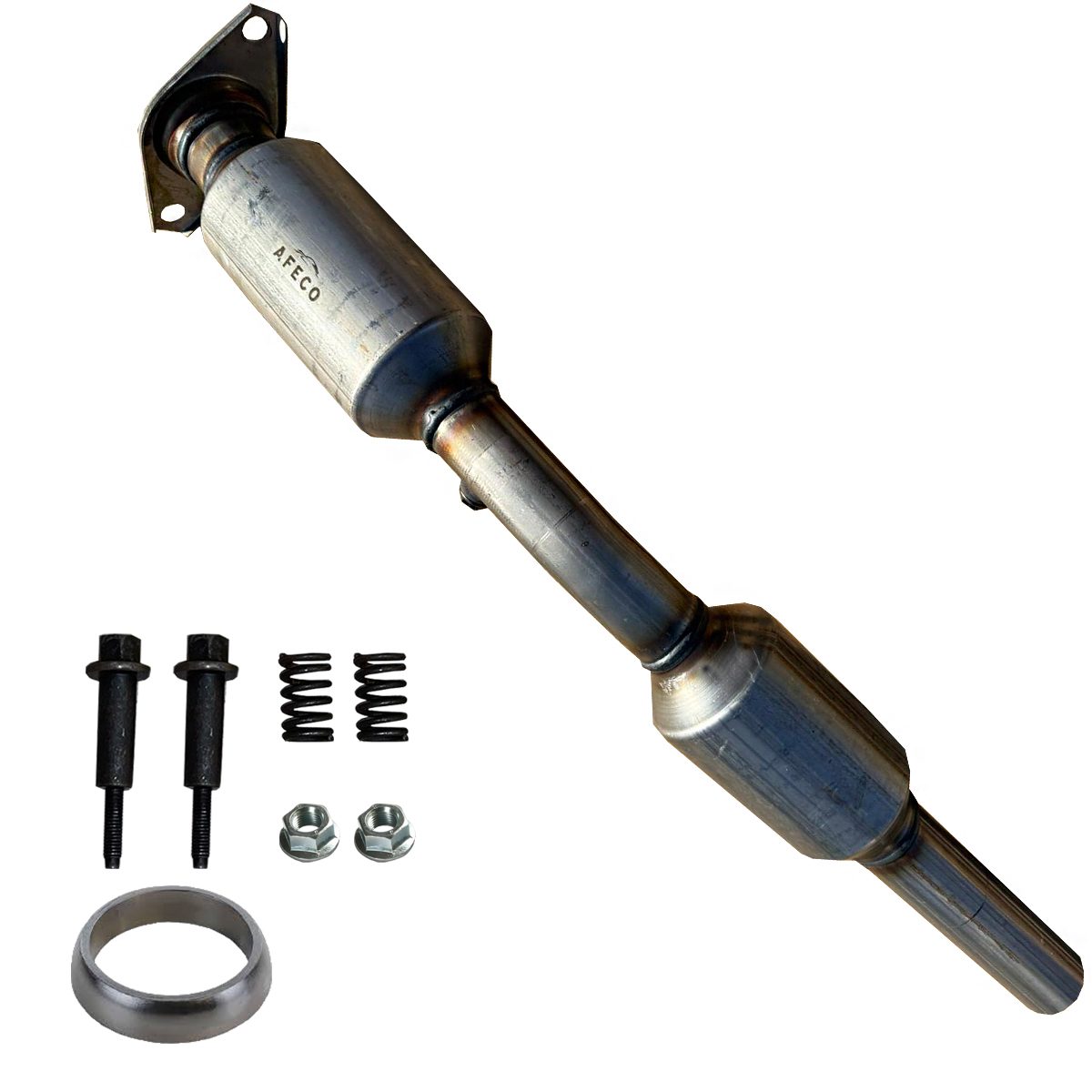
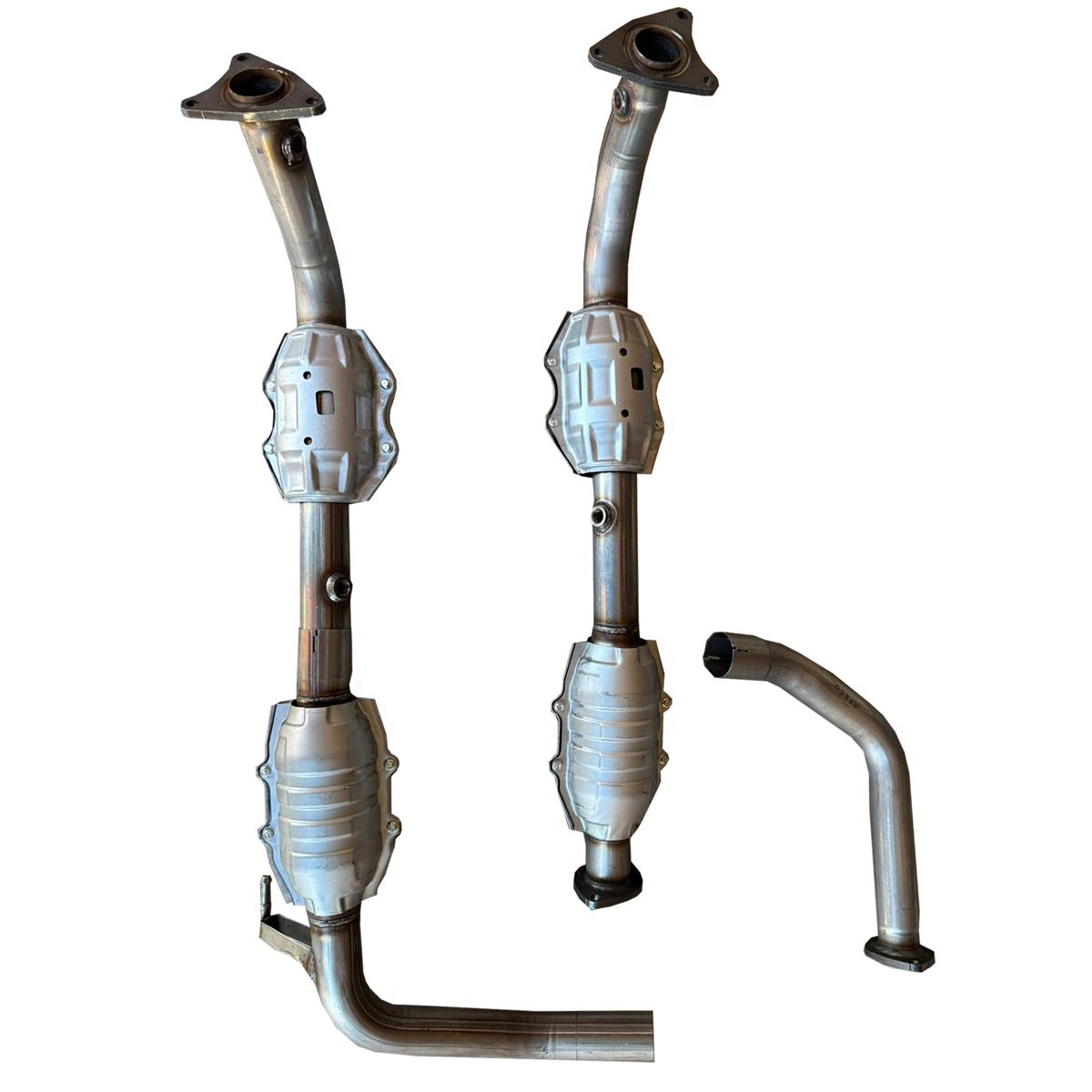
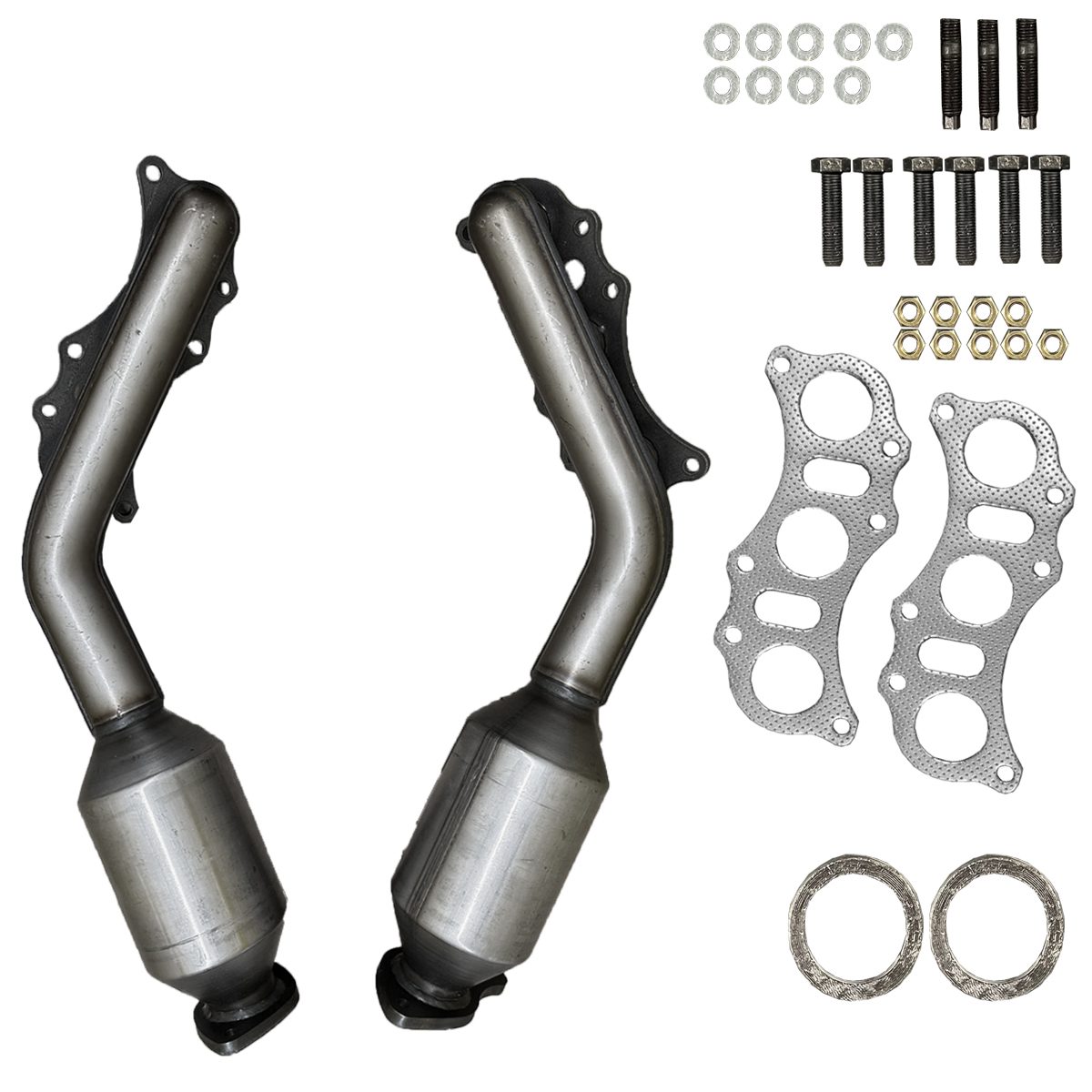
Related AFECO parts
Direct-fit converters listed for the exact vehicles on each page, for when a misfire has already damaged the converter.