Bank 1 vs Bank 2 Explained: Which Side Is Which, and Why It Matters for Your Converter
Reviewed 2026-10-03. Checked against the sources listed below. This is general information, not a substitute for a mechanic's inspection.
Quick answer
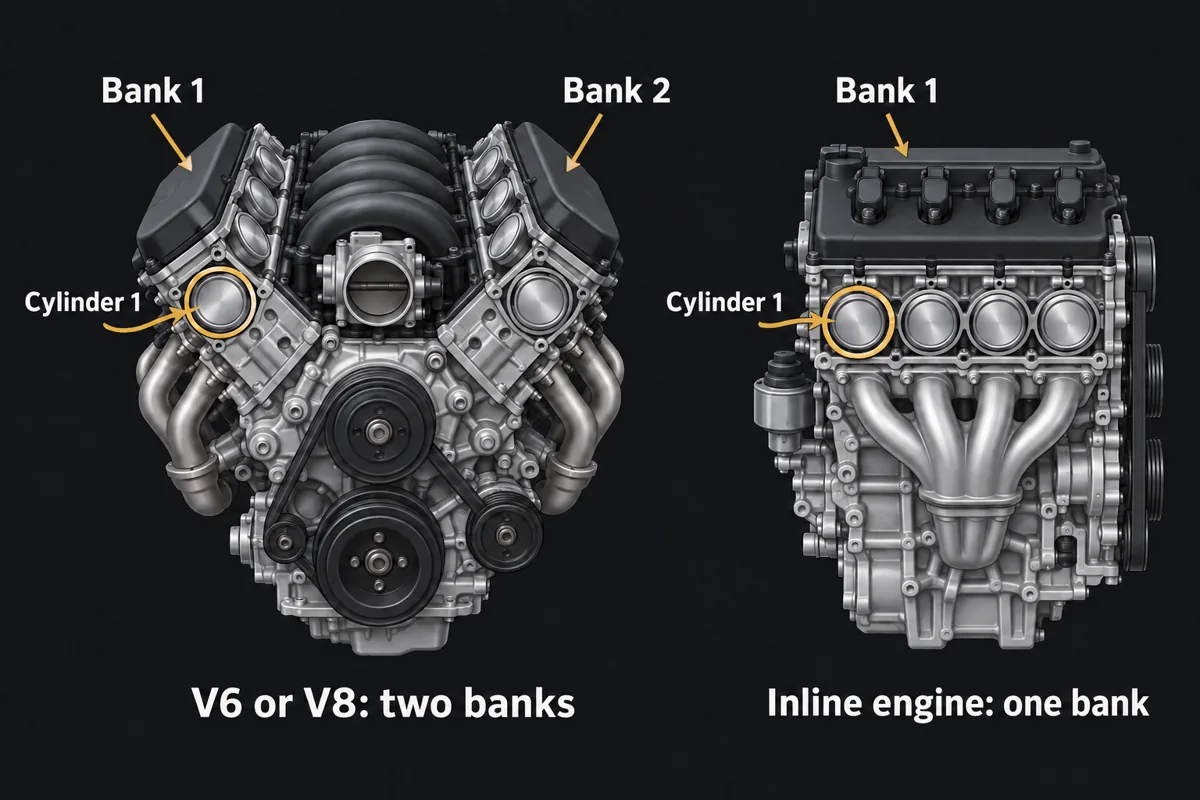
On an engine with two rows of cylinders (a V6 or V8), bank 1 is the side that has cylinder number 1, and bank 2 is the other side. Codes that end in "bank 1" (like P0420) point at one side, and "bank 2" codes (like P0430) point at the other. A 4-cylinder engine in a row has only bank 1.
Bank vs sensor numbers
| Term | Meaning |
|---|---|
| Bank 1 | Side of the engine with cylinder 1 |
| Bank 2 | The opposite side |
| Sensor 1 | Oxygen sensor before the converter (upstream) |
| Sensor 2 | Oxygen sensor after the converter (downstream) |
So "bank 2 sensor 2" means the sensor after the converter on the side without cylinder 1.
Why you cannot guess the side
Which physical side is bank 1 depends on how the manufacturer numbered the cylinders and how the engine sits in the vehicle. It is not always the driver side or always the passenger side. Guessing wrong means replacing the good converter and keeping the bad one.
How to find it for your vehicle
- Service information for your exact engine shows the cylinder numbering. Repair manuals and parts stores can look it up.
- Ask a parts counter or shop to confirm with your VIN.
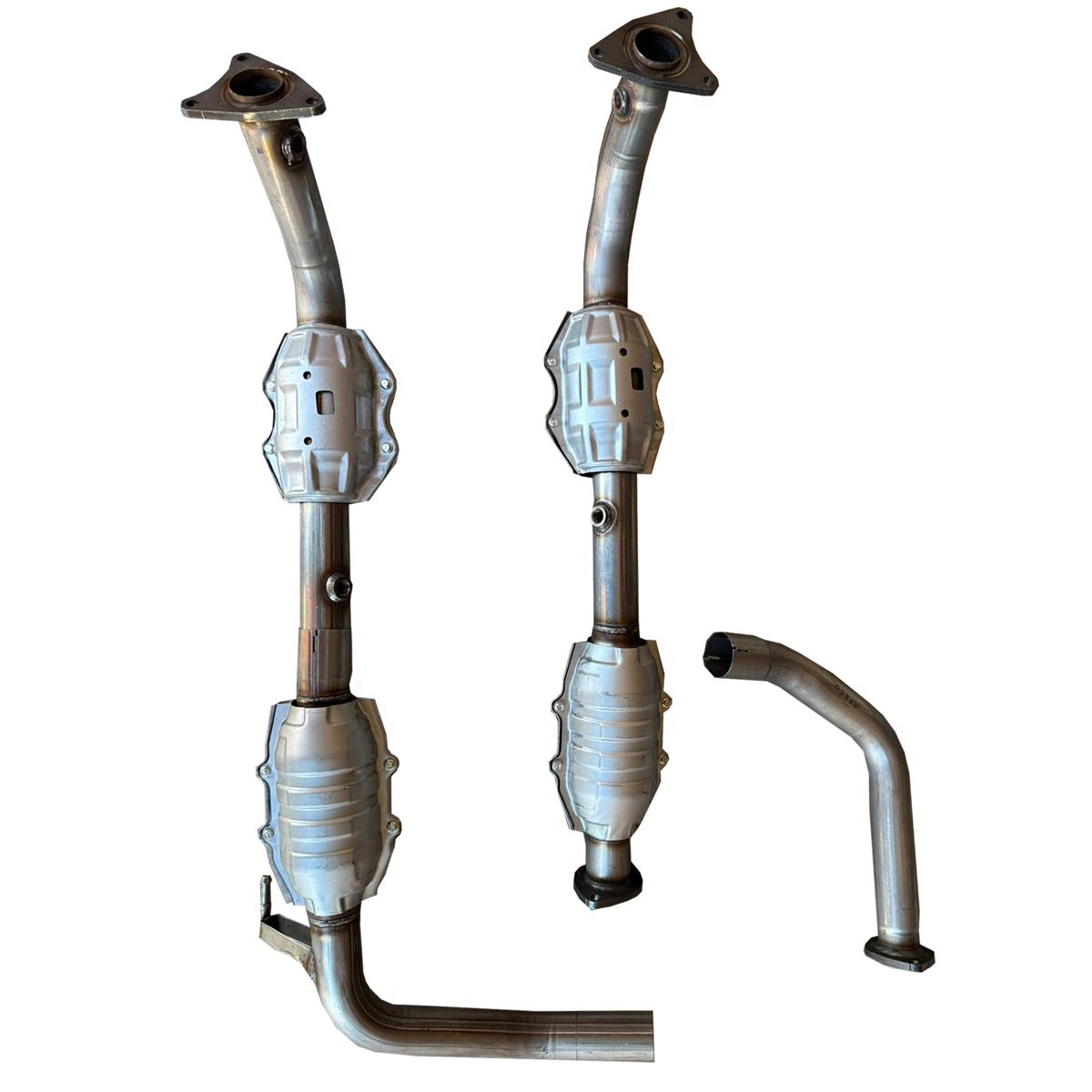
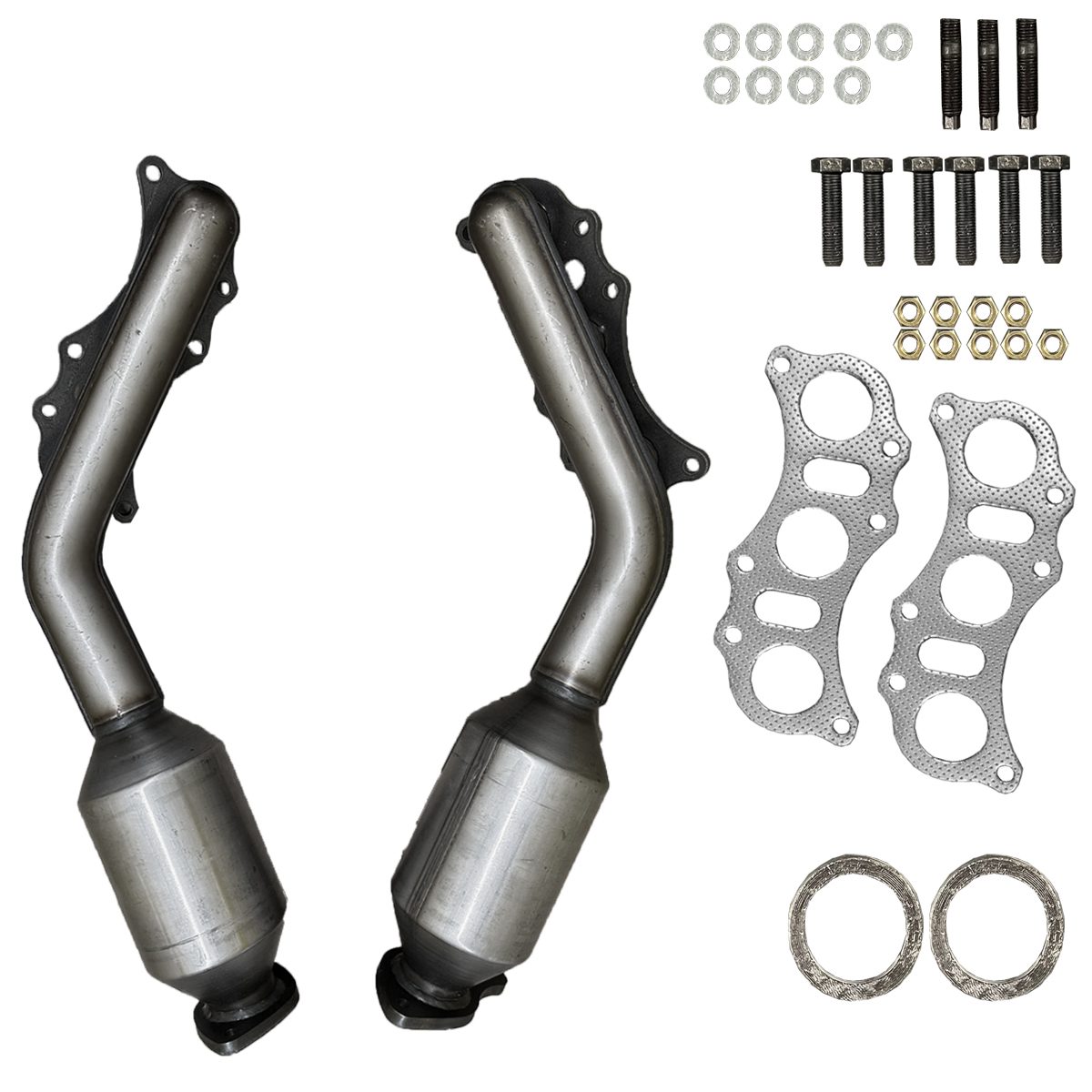
- Use the part description. Converters for two-bank engines are often sold as left and right, or driver and passenger, and the listing says which side each one fits.
Should you replace one side or both?
If only one bank's code is set, the other side tests fine and mileage is moderate, one converter can be enough. If both codes are set, or the vehicle has high mileage, many shops replace both so the two sides age evenly. Always fix misfires and leaks first.
Related AFECO parts
Converter sets for two-bank engines, listed for the exact vehicles on each page.